Most homeowners in Los Angeles and the South Bay don't think about their electrical panel until the power goes out. But your panel is the "brain" of your home and if your house was built before 1990, it was never designed to handle the massive load of modern life.
Think about the sheer volume of electricity we consume today compared to forty years ago. We have massive multi-ton Central AC units running continuously during California heatwaves, we plug in dual Electric Vehicles (EVs) overnight, and our homes are filled with smart appliances, gaming computers, and pool heaters.
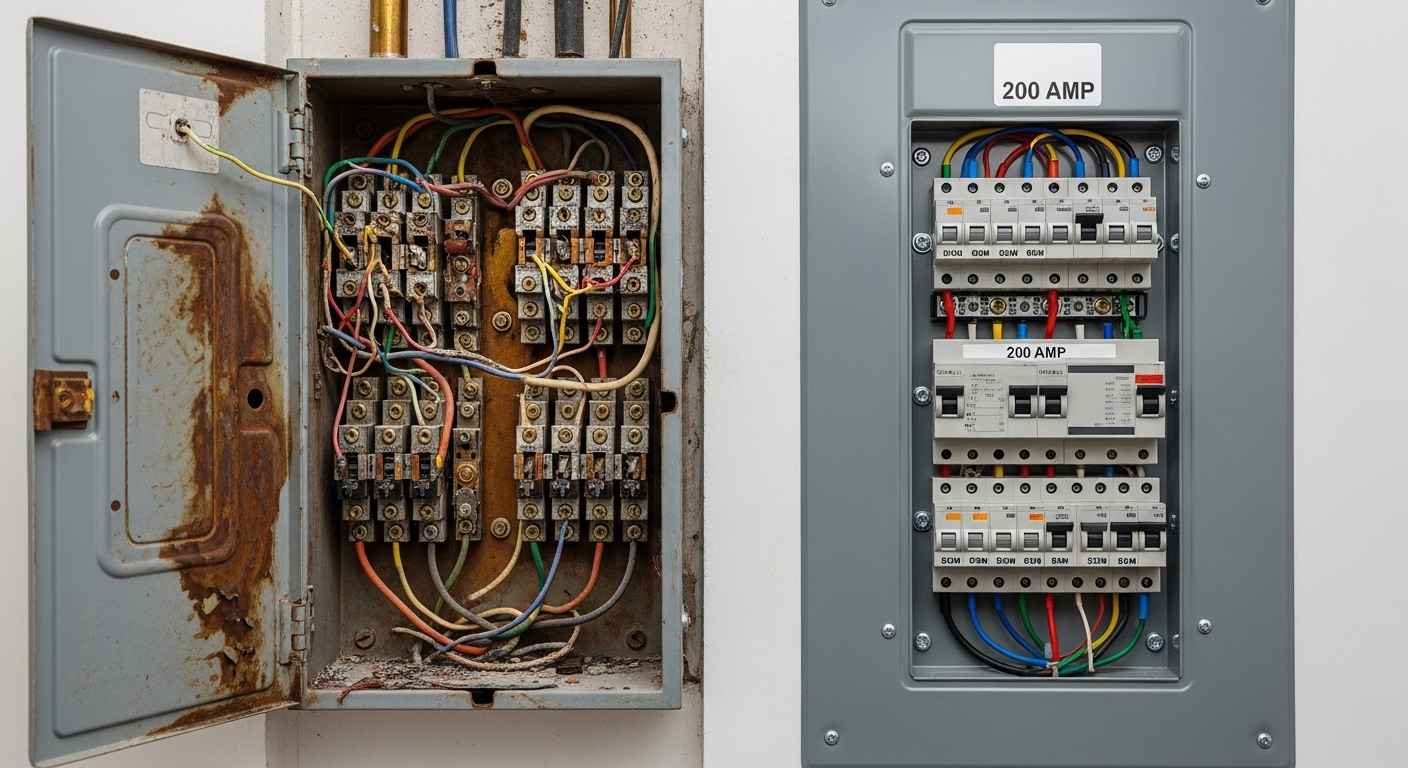
Expecting an original 60-amp or 100-amp panel to safely power all of these modern conveniences is like putting a lawnmower engine into a heavy-duty pickup truck. It will eventually overheat and fail. Here are the 5 unmistakable signs that your electrical panel is reaching its breaking point and needs an immediate 200-Amp upgrade.
1. The Constant "Circuit Breaker Dance"
A circuit breaker’s job is to "trip" (shut off power) when it senses that a wire is carrying more electricity than it can safely handle. This is a vital safety feature designed to prevent electrical fires.
It is perfectly normal for a breaker to trip once in a blue moon if you accidentally plug a space heater and a high-wattage hair dryer into the same bathroom outlet. However, if you find yourself walking to the dark garage every few days to reset a breaker just to cook dinner, your system is crying for help.
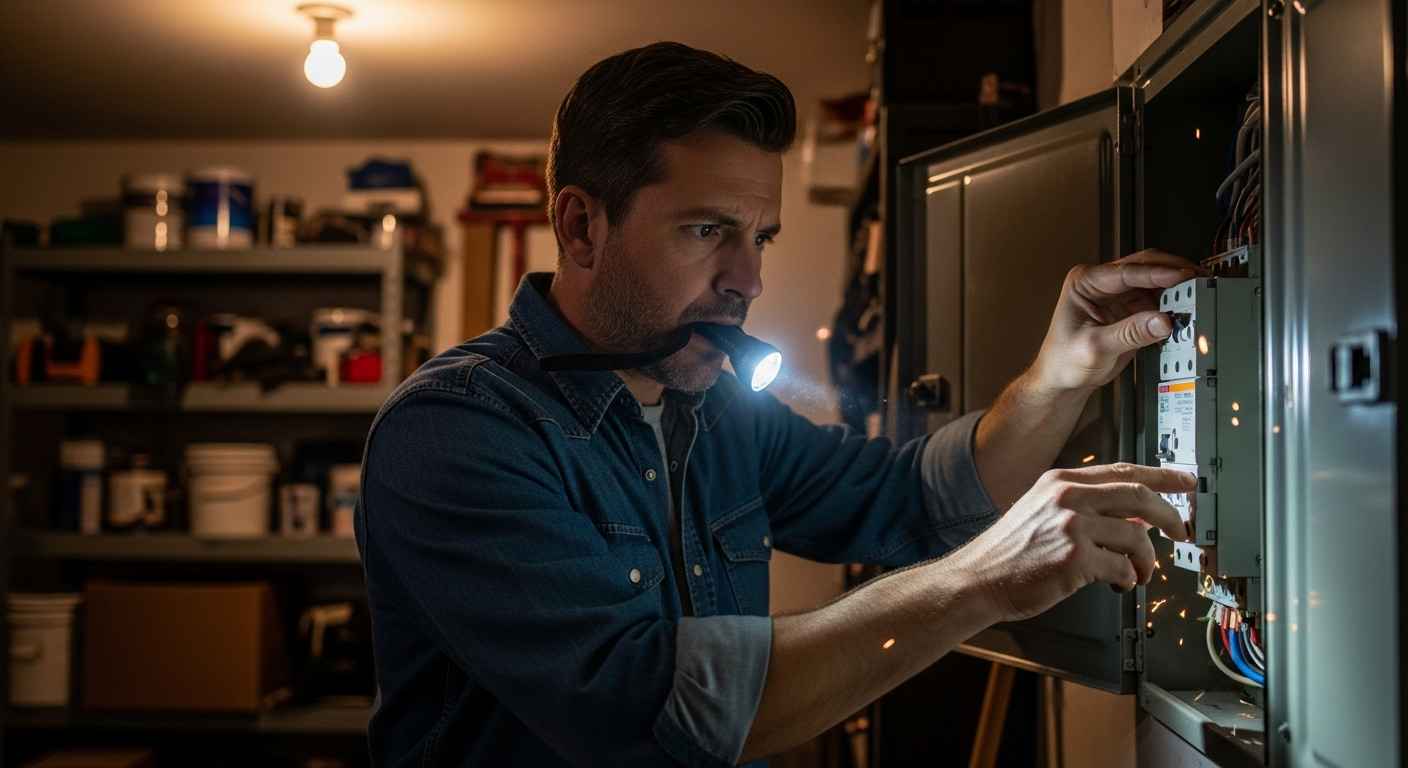
Frequent tripping means your panel is chronically overloaded. Continuously resetting the breaker without fixing the underlying capacity issue is incredibly dangerous. Eventually, the mechanical spring inside the breaker will wear out, the breaker will fail to trip, and the wires in your wall will melt.
2. Flickering or Dimming Lights
Have you ever noticed your living room lights dim for a split second right as the refrigerator compressor kicks on? Or perhaps the whole house flickers when the Central Air Conditioning starts up?
Many homeowners pass this off as a "quirk" of living in an older house. In reality, it is a serious issue known as a voltage drop. Large motor-driven appliances require a massive surge of electricity to start. If your 100-Amp panel doesn't have the capacity to deliver that surge, the appliance will literally "steal" electricity from your lighting circuits.
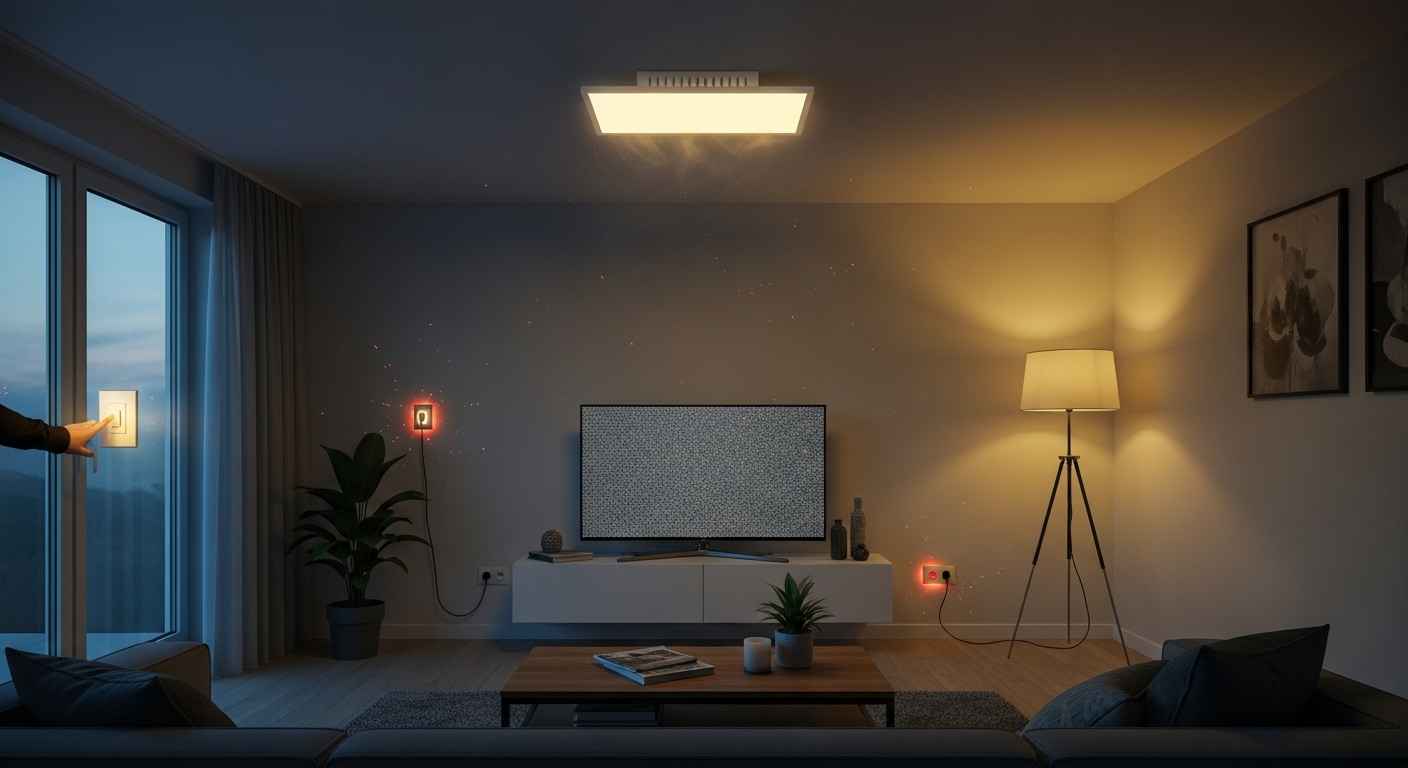
Over time, this constant starvation of voltage will permanently damage the sensitive electronics in your home, including your TVs, computers, and the expensive control boards inside your smart appliances.
3. LEVEL 1 DANGER: Burning Smells & Scorch Marks
If you smell something resembling burning plastic, ozone, or a strange "fishy" scent near your electrical panel, treat this as a severe emergency.
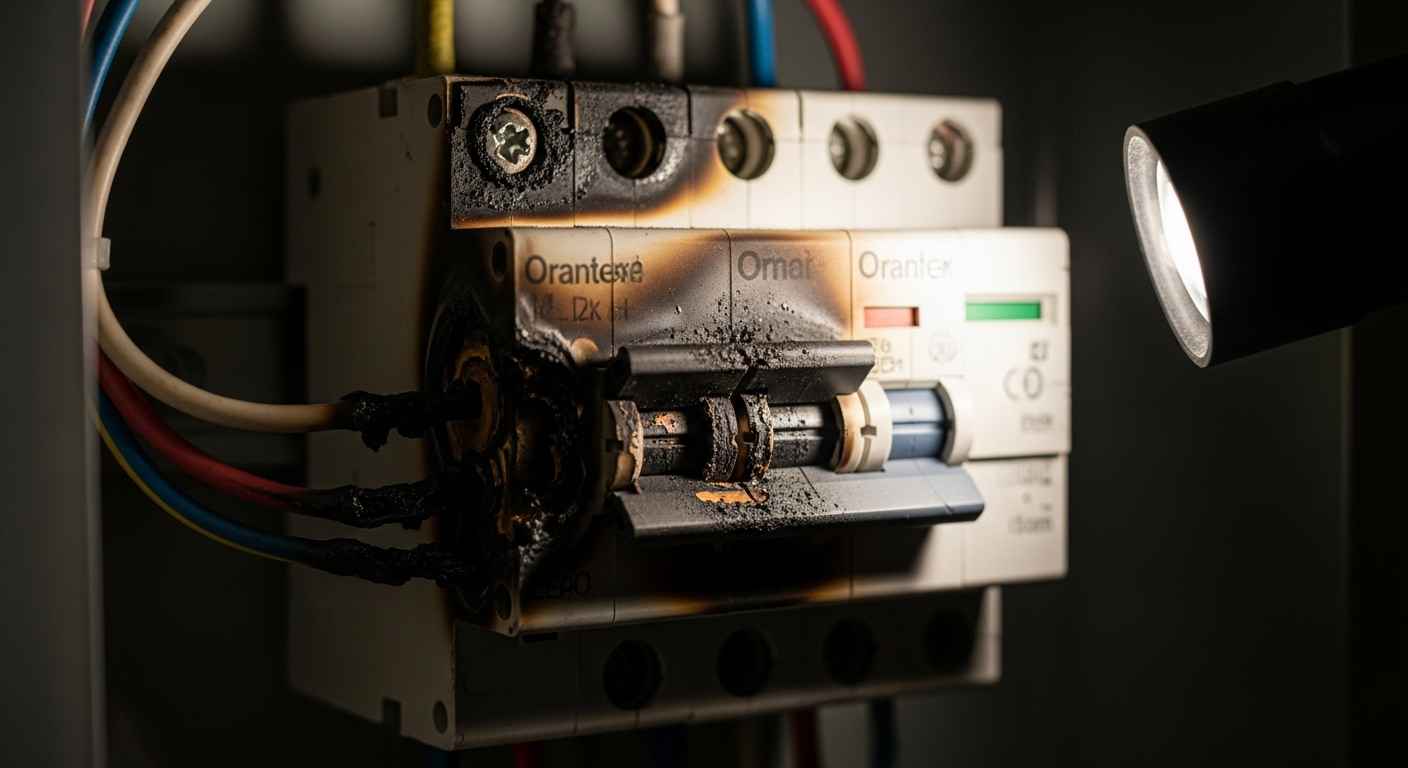
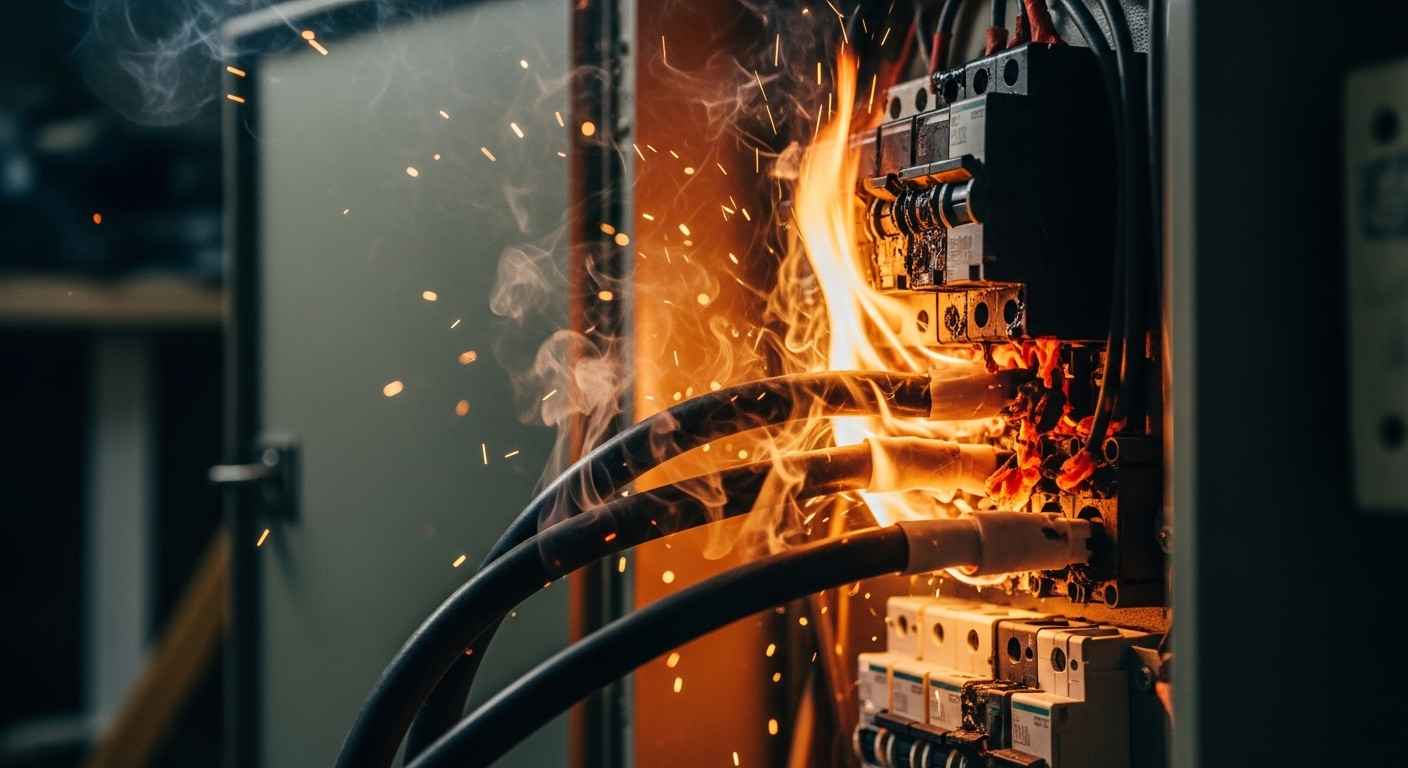
These odors indicate that the plastic insulation around your wires is actively melting, or that electrical arcing is occurring. Arcing happens when a connection is loose, and electricity literally jumps across the gap through the air. This creates temperatures exceeding 10,000 degrees Fahrenheit.
If you open your panel door and see black or brown scorch marks on the breakers or the metal bus bars, your panel is cooking itself from the inside out. Turn off the main breaker immediately and call a licensed C-10 contractor.
4. You Have a "Zinsco" or "Federal Pacific" Panel
If your Los Angeles area home was built between the 1950s and the 1980s, you need to walk to your electrical panel right now and read the manufacturer's label. If you see the names Zinsco, Federal Pacific Electric (FPE), or Sylvania, you are sitting on a ticking time bomb.
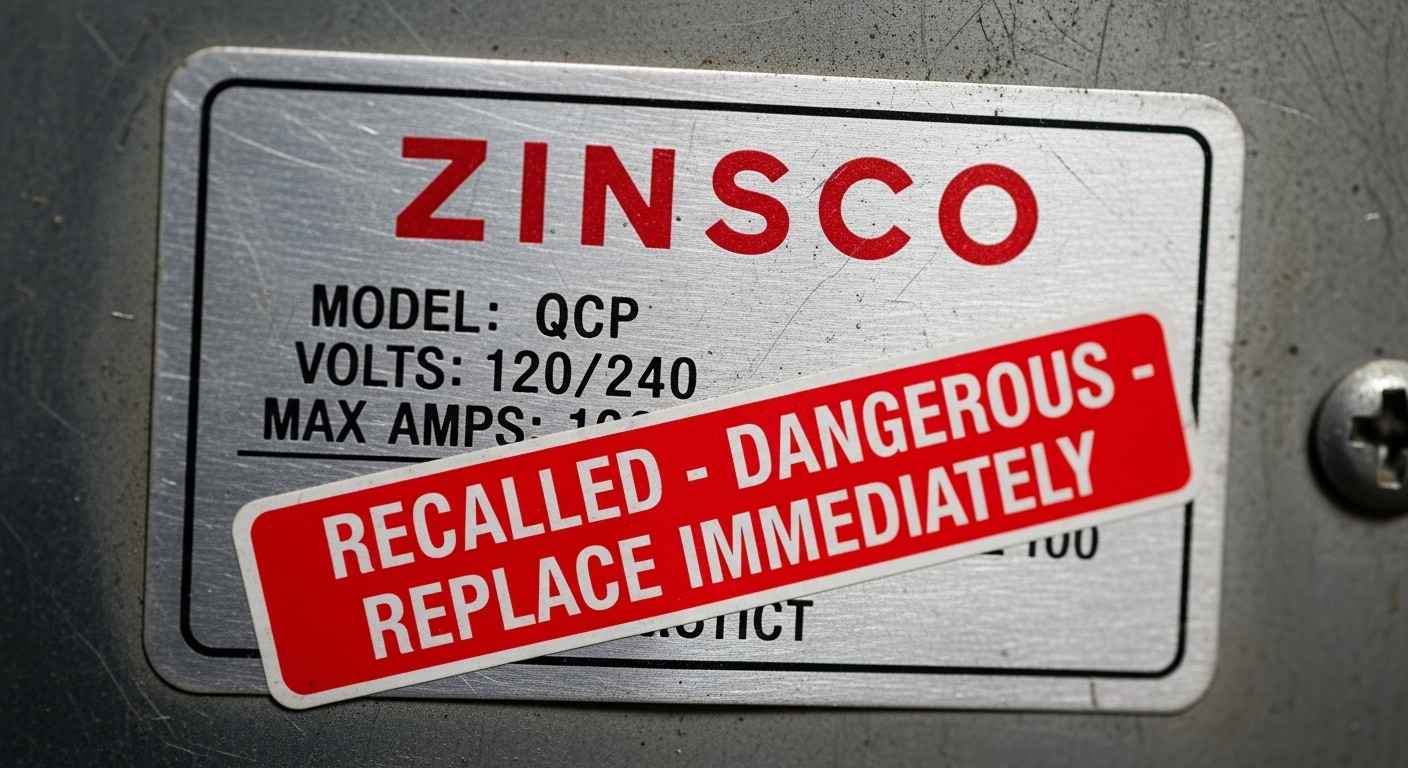
These specific brands have catastrophic, documented design flaws. The breakers inside these panels are notorious for failing to trip during an overload. Instead of shutting off, they melt and permanently weld themselves to the main bus bar. The electricity keeps flowing, the wires get hotter and hotter, and eventually, the wall catches fire.
Because of the extreme liability, many home insurance companies in California will outright cancel your policy or refuse to cover a home purchase if an inspection reveals an FPE or Zinsco panel.
5. You Are Adding an EV Charger, AC, or ADU
Are you planning to install a Tesla Wall Connector in the garage? Converting your detached garage into an Accessory Dwelling Unit (ADU) for rental income? Or finally adding Central Air to beat the California heat?
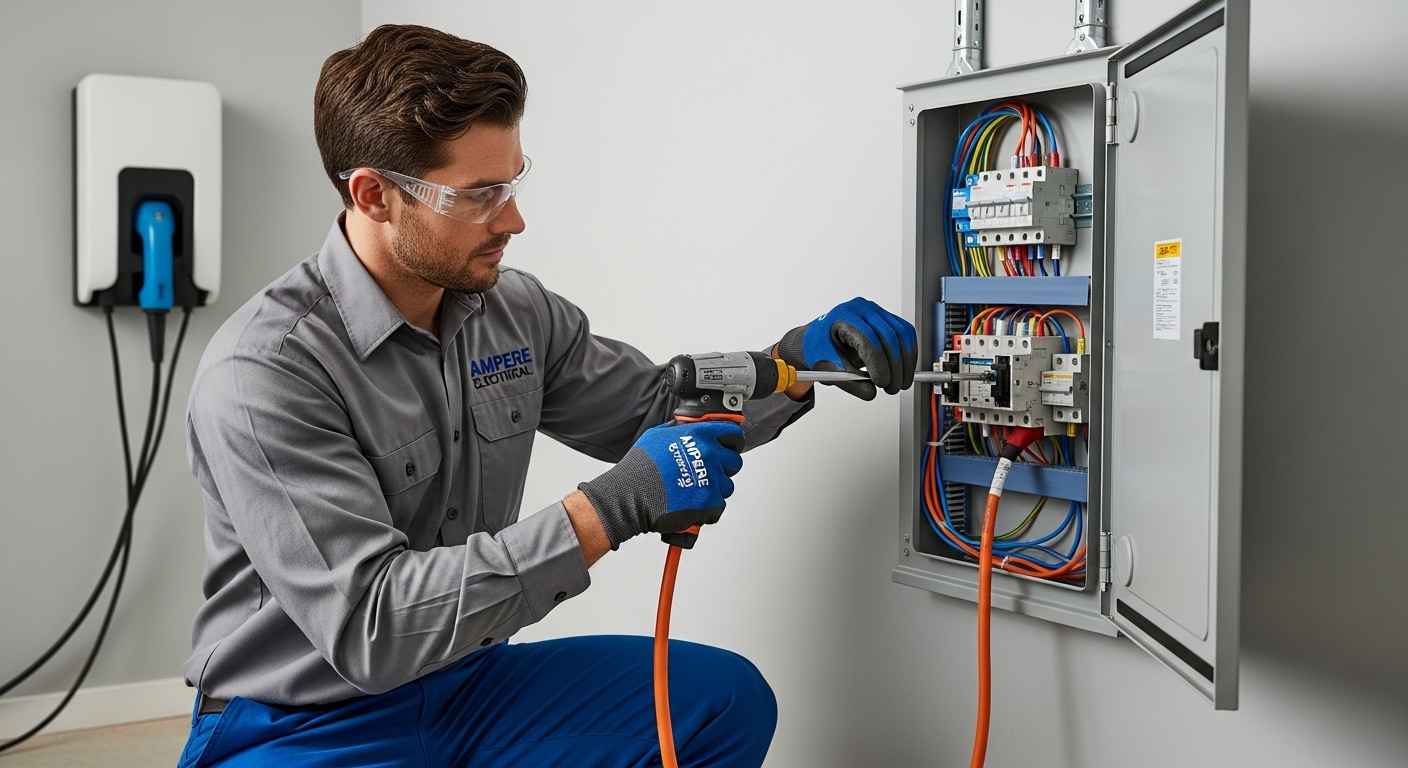
A Level 2 EV charger requires a dedicated 50 or 60-Amp circuit to charge your car quickly. If your house only has a 100-Amp main service, adding a 60-Amp car charger leaves almost zero capacity for your oven, dryer, and air conditioning. When pulling permits for these upgrades, City Inspectors and Southern California Edison (SCE) will require you to submit formal load calculations. If your panel falls short, you will be legally mandated to upgrade to a 200-Amp service before the project can proceed.
What Does a Panel Upgrade Actually Involve?
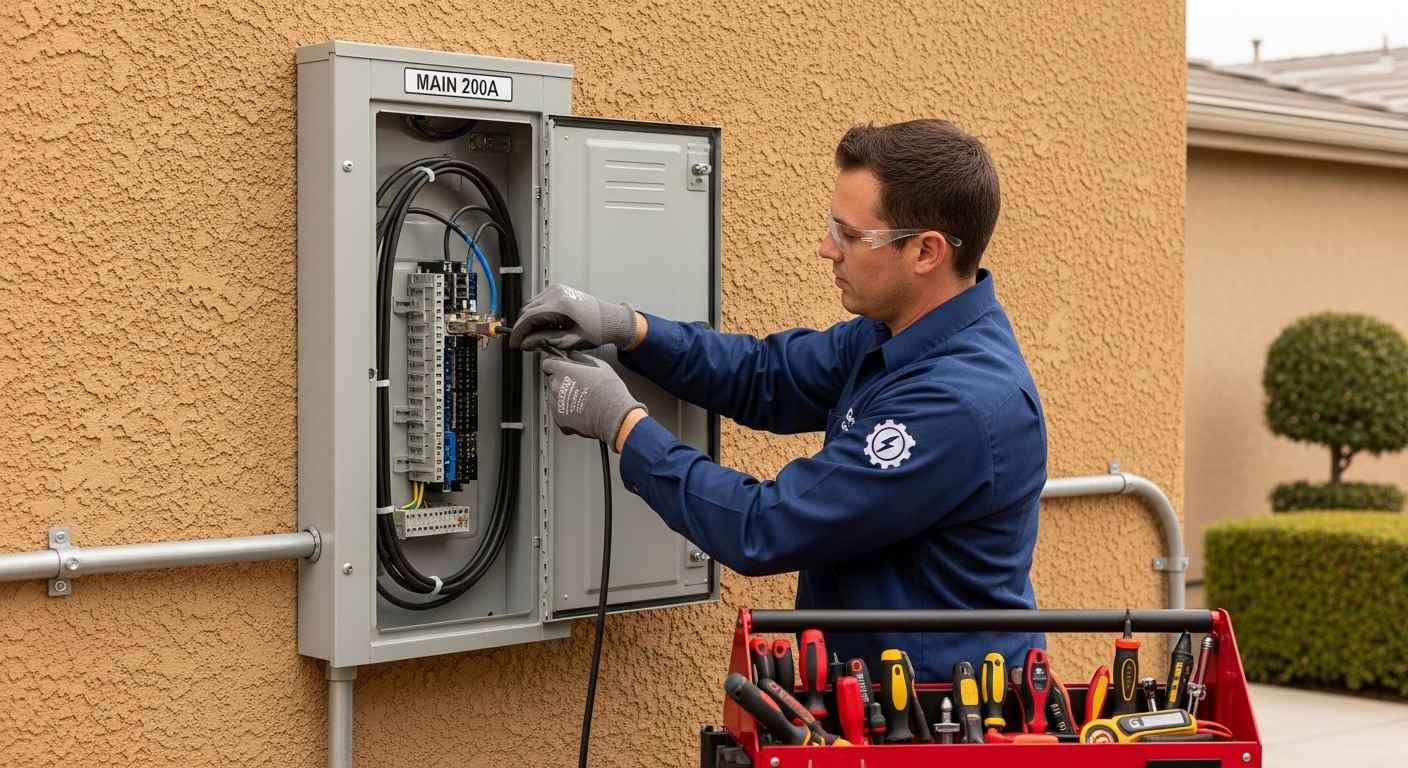
Upgrading to a modern 200-Amp service is a highly orchestrated process that involves the city and the utility company. Here is how we do it at CD Ampers Electrical:
- Load Calculations & Engineering: We calculate your home's exact power needs to ensure the new panel passes city code.
- SCE Coordination: We contact Southern California Edison to initiate a "Meter Spot," ensuring the utility lines from the street can handle the new 200A capacity.
- City Permitting: We handle all the paperwork and pull the required Building and Safety permits.
- Installation Day: Our master electricians remove the dangerous old equipment and install your new, high-capacity switchgear cleanly and safely.
- Final Inspection: We walk the city inspector through the work to ensure your investment is 100% legal and recorded on your property's title.
Don't Wait for the Spark.
Electrical problems do not fix themselves; they only get more dangerous and more expensive over time. Upgrading your panel protects your family, safeguards your electronics, and significantly boosts your home's resale value.