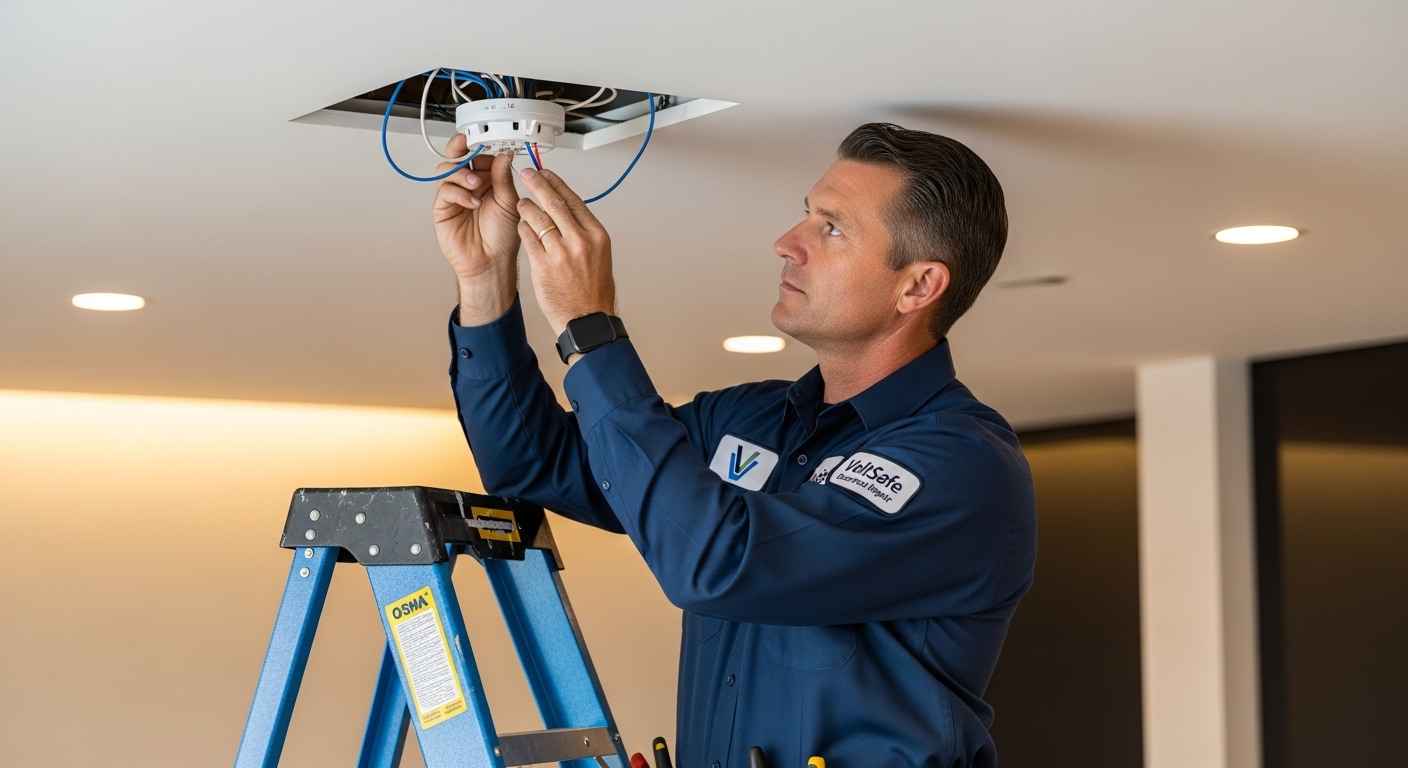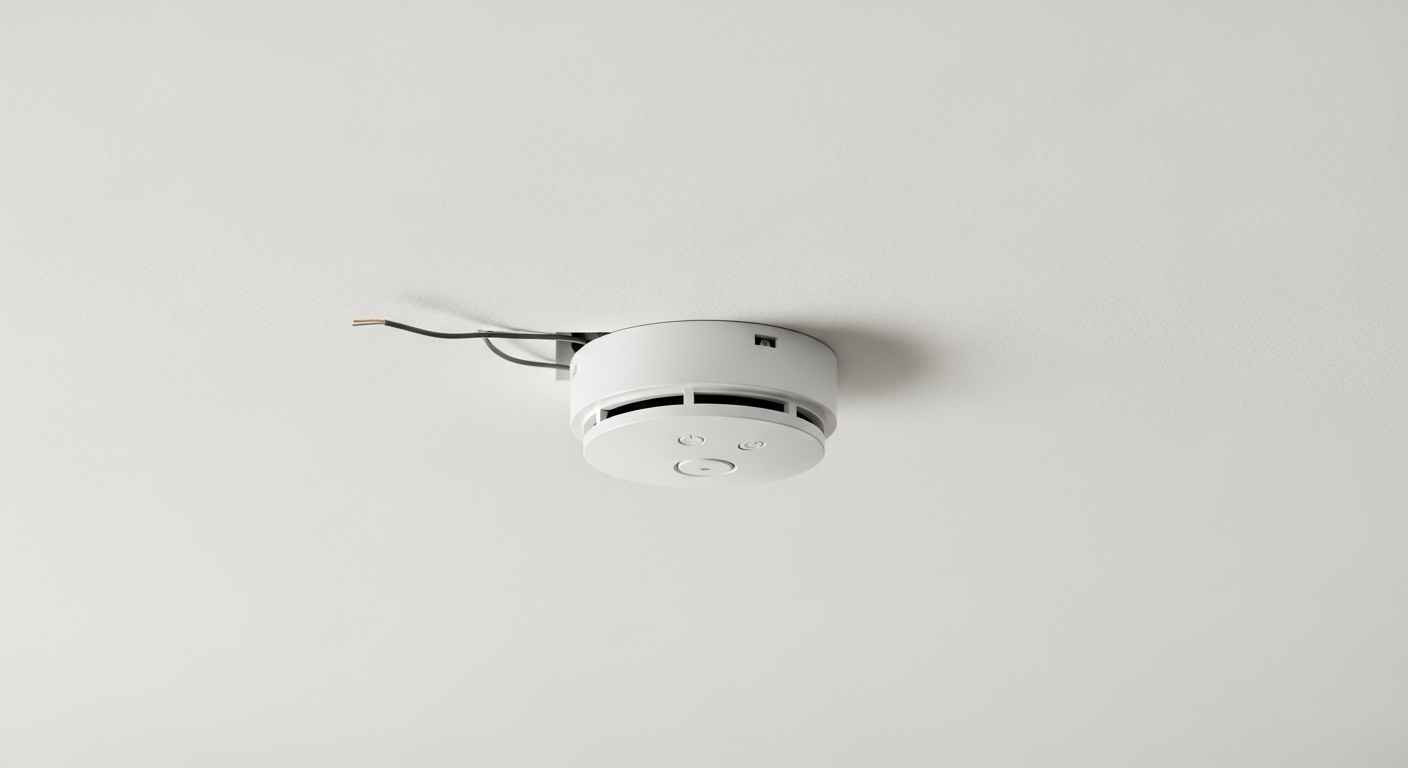
That annoying chirp at 3:00 AM isn't just a nuisance it's a sign that your home's first line of defense is failing. But in California, fixing it isn't always as simple as swapping a 9-volt battery.
The state of California has some of the strictest building and safety codes in the nation, particularly when it comes to fire prevention. Governed by the California Building Code (Title 24) and specific state Senate Bills, the laws regarding smoke and carbon monoxide (CO) detectors have evolved significantly over the last decade.
If you are pulling a permit for a remodel (like a kitchen upgrade or an ADU conversion), or if you are preparing to sell your home, your property will not pass inspection if your alarms do not meet current codes. Let's break down exactly what the law requires in 2026.
1. The 10-Year Sealed Battery Rule (SB 135)
If your home currently relies on solely battery-operated smoke alarms, those days of climbing a ladder every six months to change a 9-volt battery are legally over.
Under California law, any battery-only smoke detector sold or installed in the state must feature a non-replaceable, non-removable, 10-year sealed battery. This law was enacted because too many tragedies occurred when homeowners removed a dying, chirping battery and forgot to replace it.
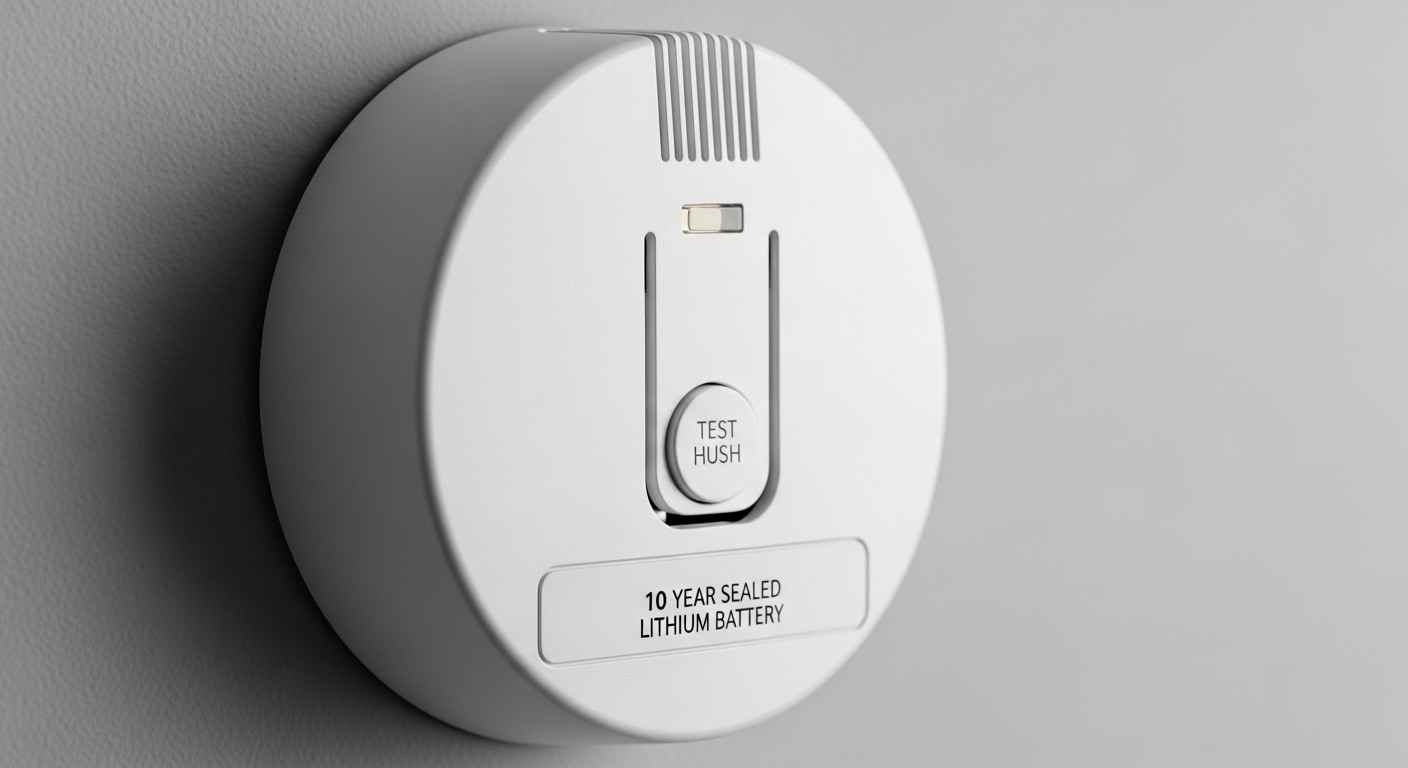
Note: If your home is already hardwired (more on that below), the backup batteries in those hardwired units can still be replaceable (like AAs or 9Vs), though sealed-backup hardwired units are highly recommended.
2. When Hardwiring is Legally Required
While 10-year battery alarms are acceptable for older homes that haven't been touched, California law requires hardwired smoke detectors with a battery backup the moment you pull a building permit for significant work.
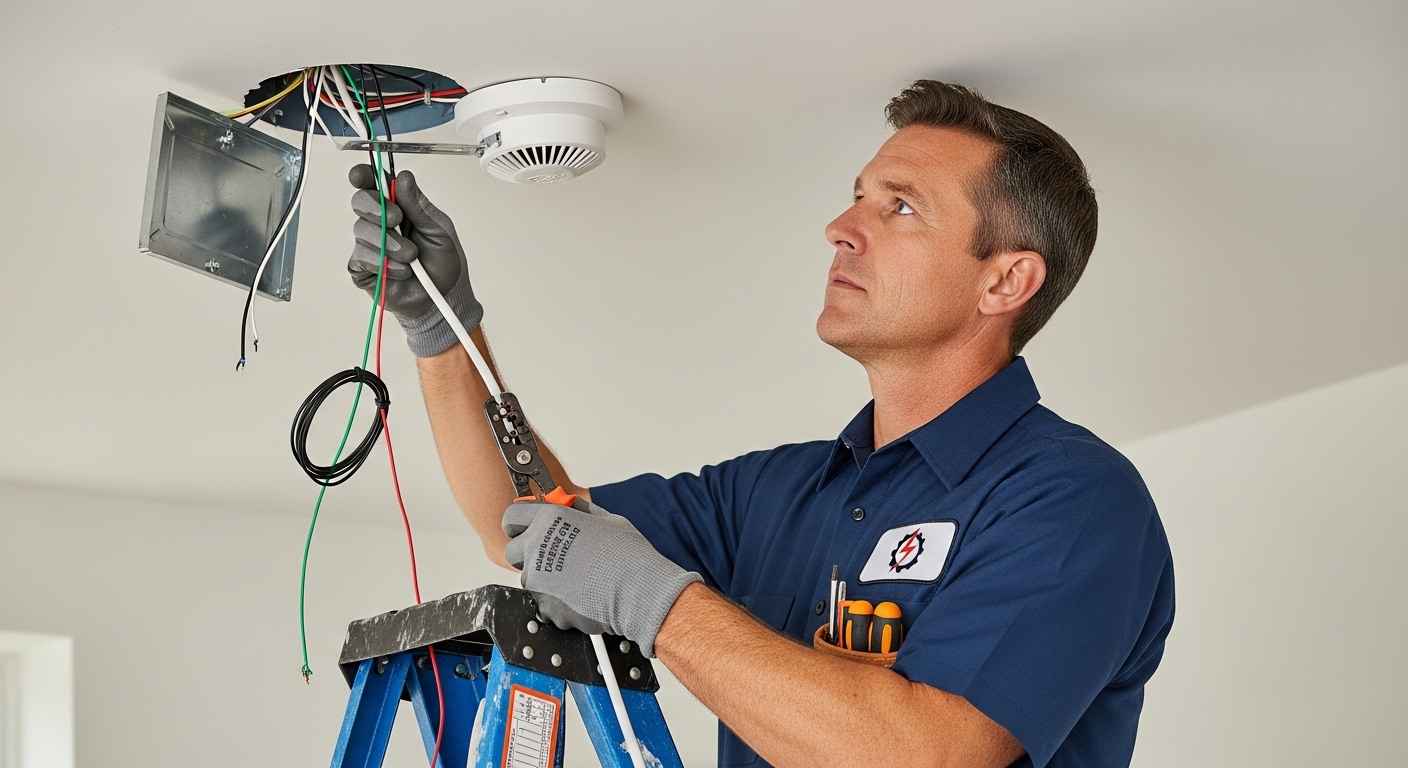
You must upgrade to a hardwired system if:
- You are building a new home, room addition, or Accessory Dwelling Unit (ADU).
- You pull a permit for alterations or repairs exceeding $1,000.
- You are tearing walls down to the studs, exposing the electrical system.
Hardwired alarms draw power directly from your home's electrical panel. The battery is only there to keep them functioning during a localized Southern California Edison (SCE) power outage.
3. Strict Placement & Location Rules
You cannot simply stick one detector in the living room and call it a day. The California Building Code mandates highly specific placements to ensure maximum early warning:
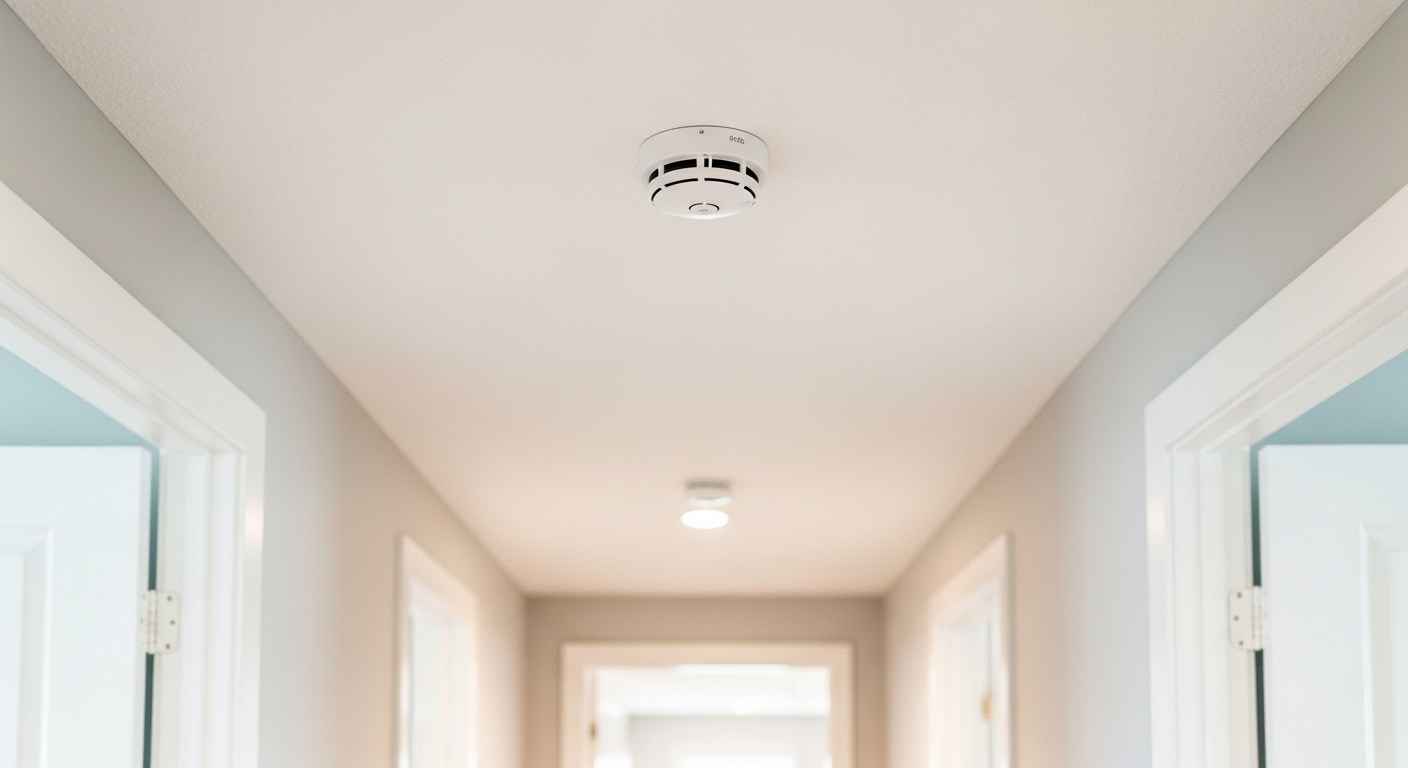
- Inside every bedroom: Or any room designated for sleeping.
- Outside every sleeping area: Usually in the central hallway leading to the bedrooms.
- On every level of the home: Including basements and habitable attics, regardless of whether there are bedrooms on that level.
- High on the wall or ceiling: Smoke rises. Detectors must be mounted on the ceiling or high on the wall (no more than 12 inches from the ceiling).
4. The Carbon Monoxide (CO) Mandate
Carbon monoxide is the "silent killer" it is an odorless, colorless gas produced by burning fossil fuels. California law requires a Carbon Monoxide detector in all homes that have an attached garage OR a fossil-fuel-burning appliance (gas furnace, gas water heater, gas stove, or fireplace).
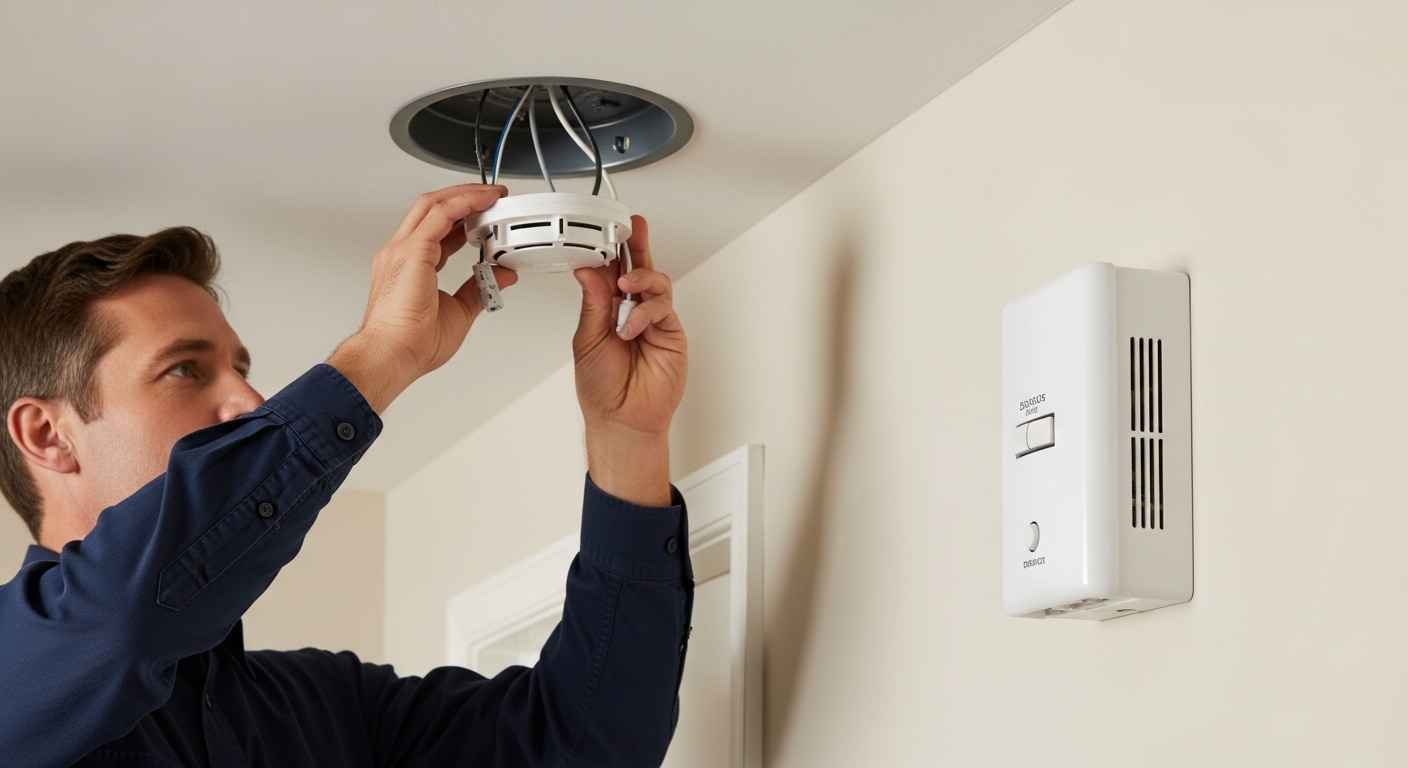
CO detectors must be installed outside each sleeping area. Many homeowners opt for Combination Smoke/CO Detectors to satisfy both laws with a single ceiling fixture, keeping ceilings uncluttered.
5. Interconnectivity: When One Sounds, They All Sound
If a fire starts in the downstairs kitchen at 2:00 AM, the smoke detector in the kitchen needs to wake you up in your upstairs master bedroom. This is why interconnectivity is a massive part of the code.
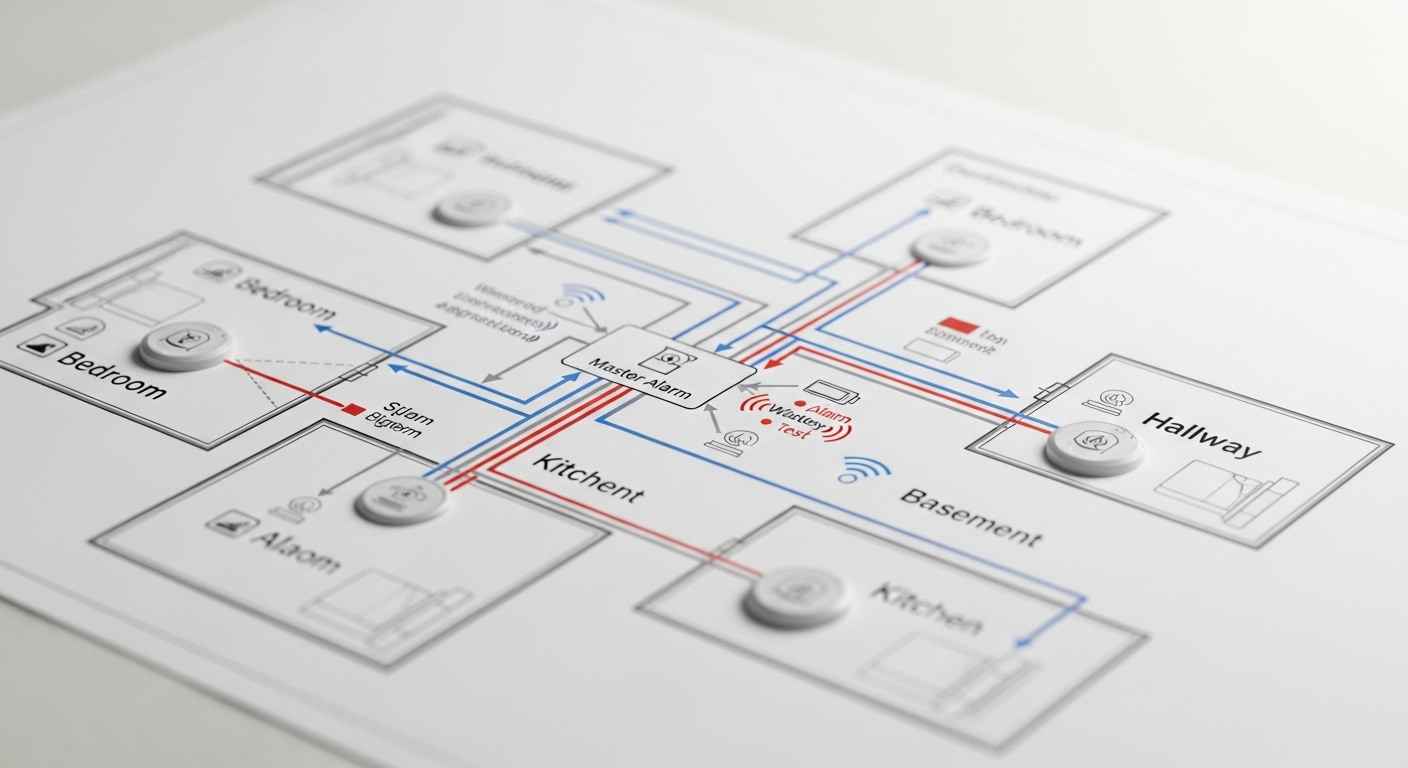
If your home requires hardwired detectors due to a permit, they must be interconnected. Historically, this meant an electrician had to pull a physical "traveler wire" through your walls to connect every single alarm. Today, modern technology allows for wireless interconnectivity, where hardwired units talk to each other via radio frequency, saving you from extensive drywall damage during retrofits.
Selling Your Home? The Inspector Will Check
If you are putting your Los Angeles or South Bay home on the market, your real estate agent will hand you a "Water Heater and Smoke Detector Statement of Compliance."
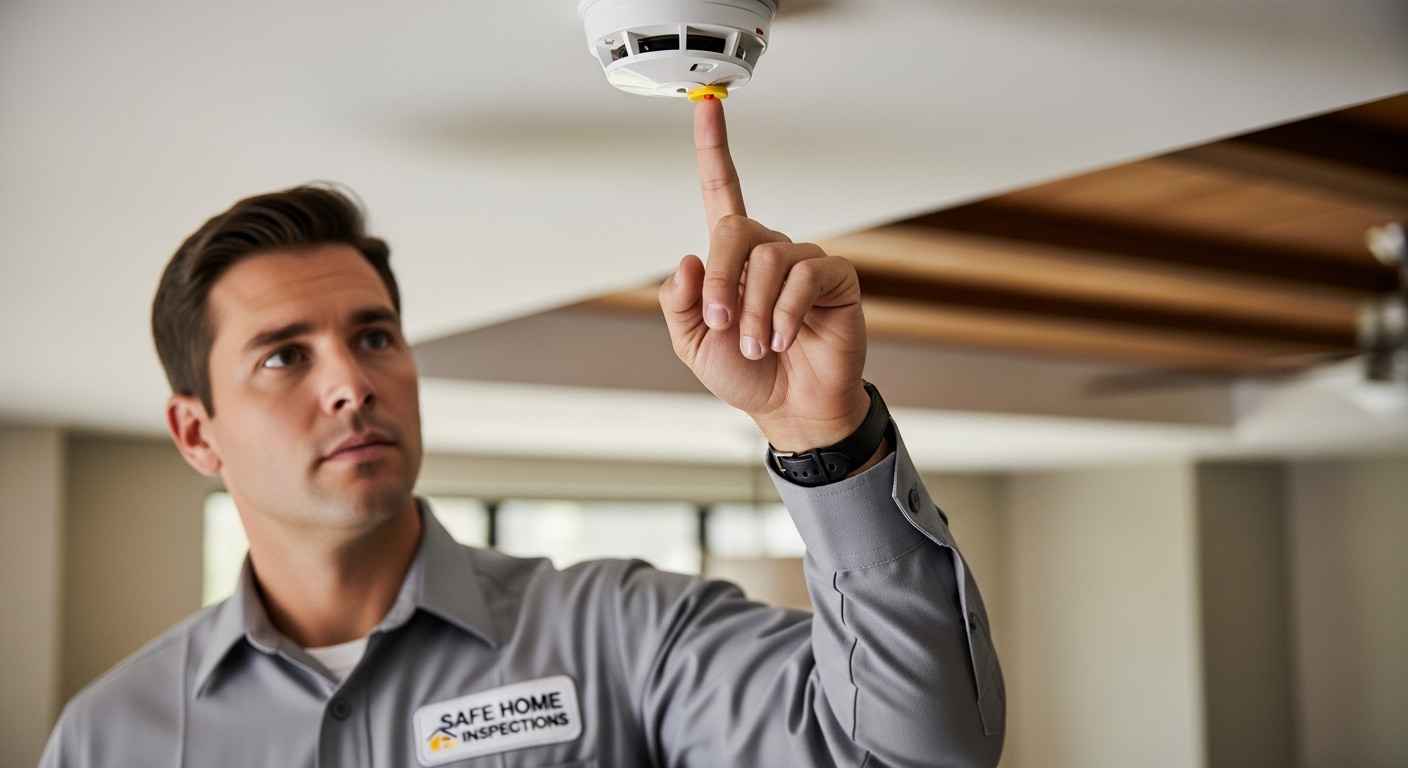
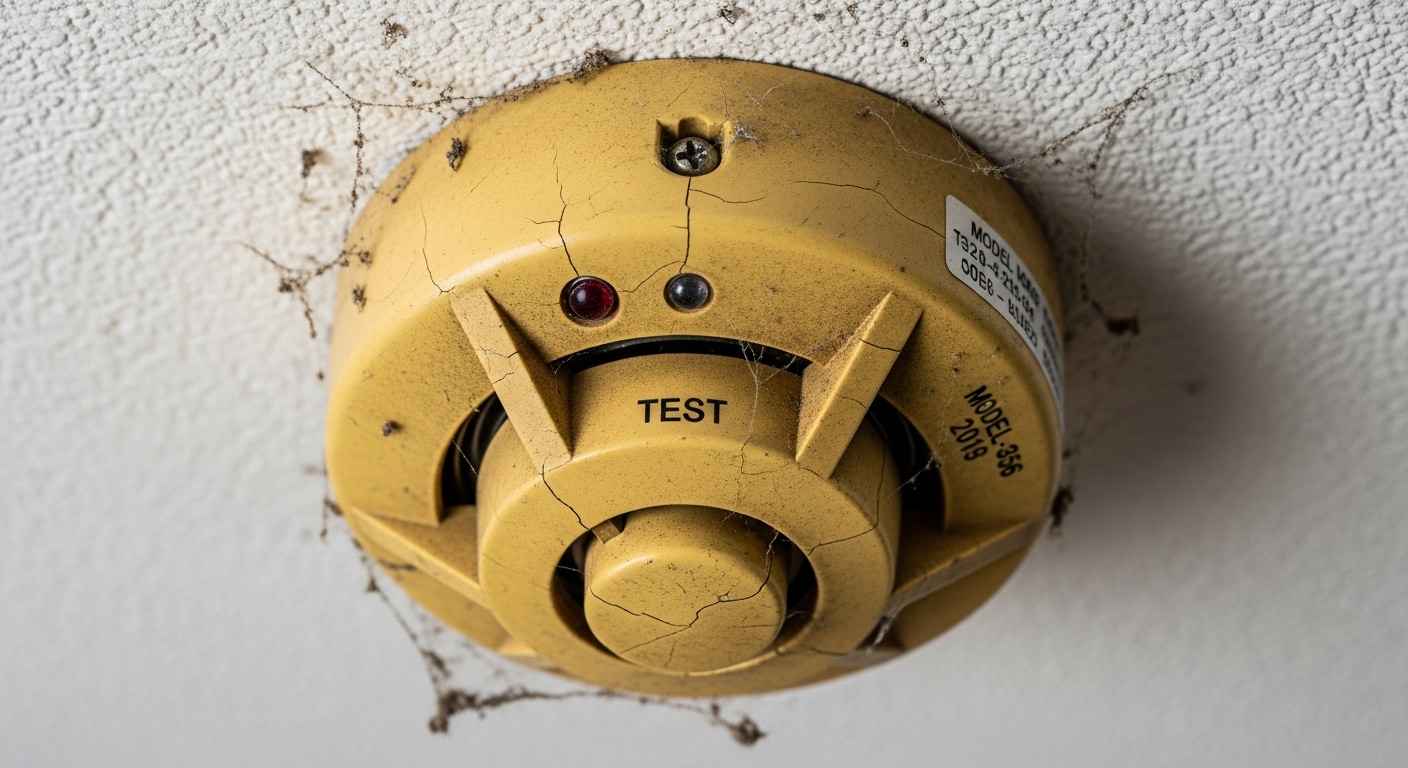
Buyers' inspectors are ruthless about this. If your alarms are yellowed, older than 10 years (check the manufacture date on the back!), or improperly placed, it will hold up your escrow. Having a licensed C-10 electrician install fresh, code-compliant units guarantees a smooth transaction.
Professional "White-Glove" Installation
Installing hardwired, interconnected smoke alarms often requires pulling wires through existing walls and ceilings. At CD Ampers Electrical, we specialize in surgical wire-fishing to get you up to code with zero to minimal drywall damage.