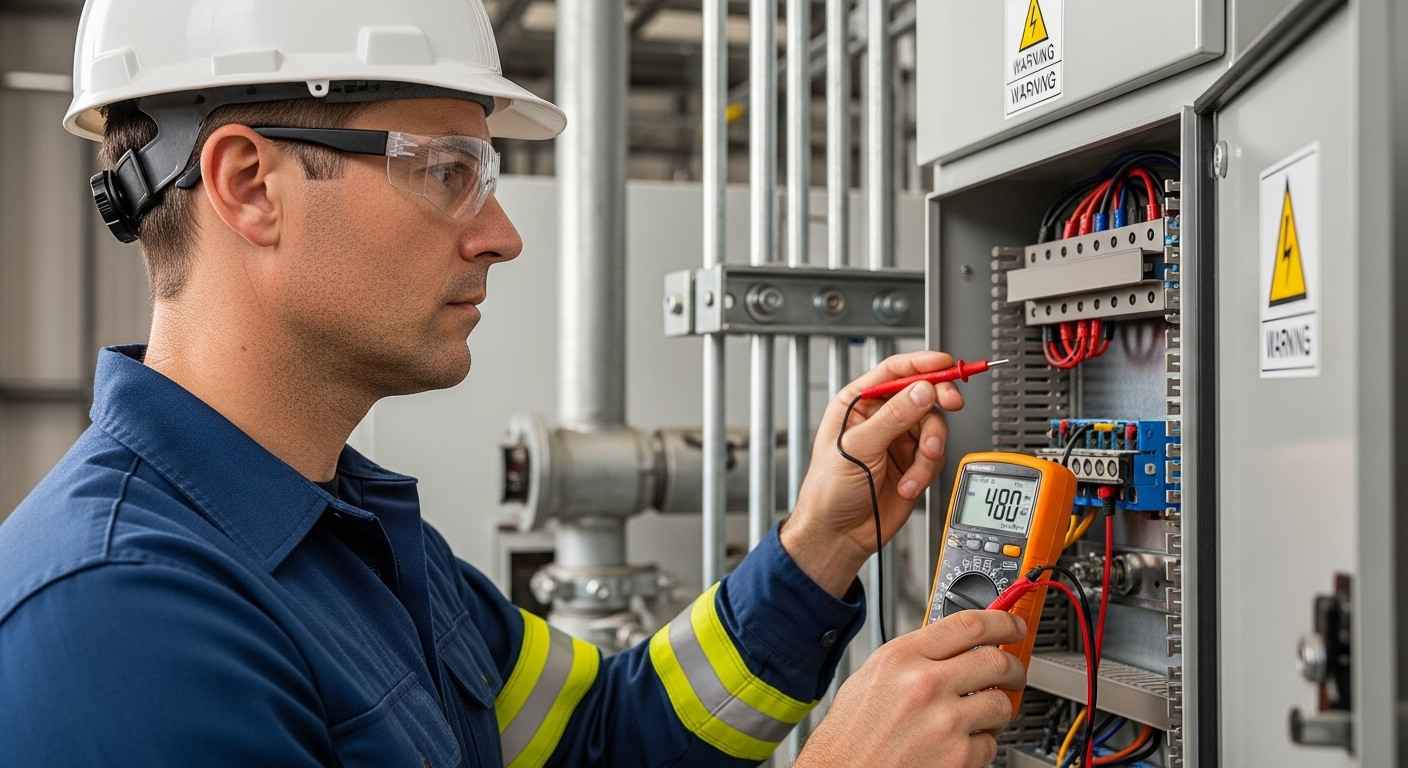
We've all been there. You have a weekend project in mind maybe installing a new outlet in the garage, adding recessed lighting, or finally hardwiring that Ring camera. You pull up a 10-minute YouTube video, head to Home Depot for some wire nuts, and think, "How hard could this be?"
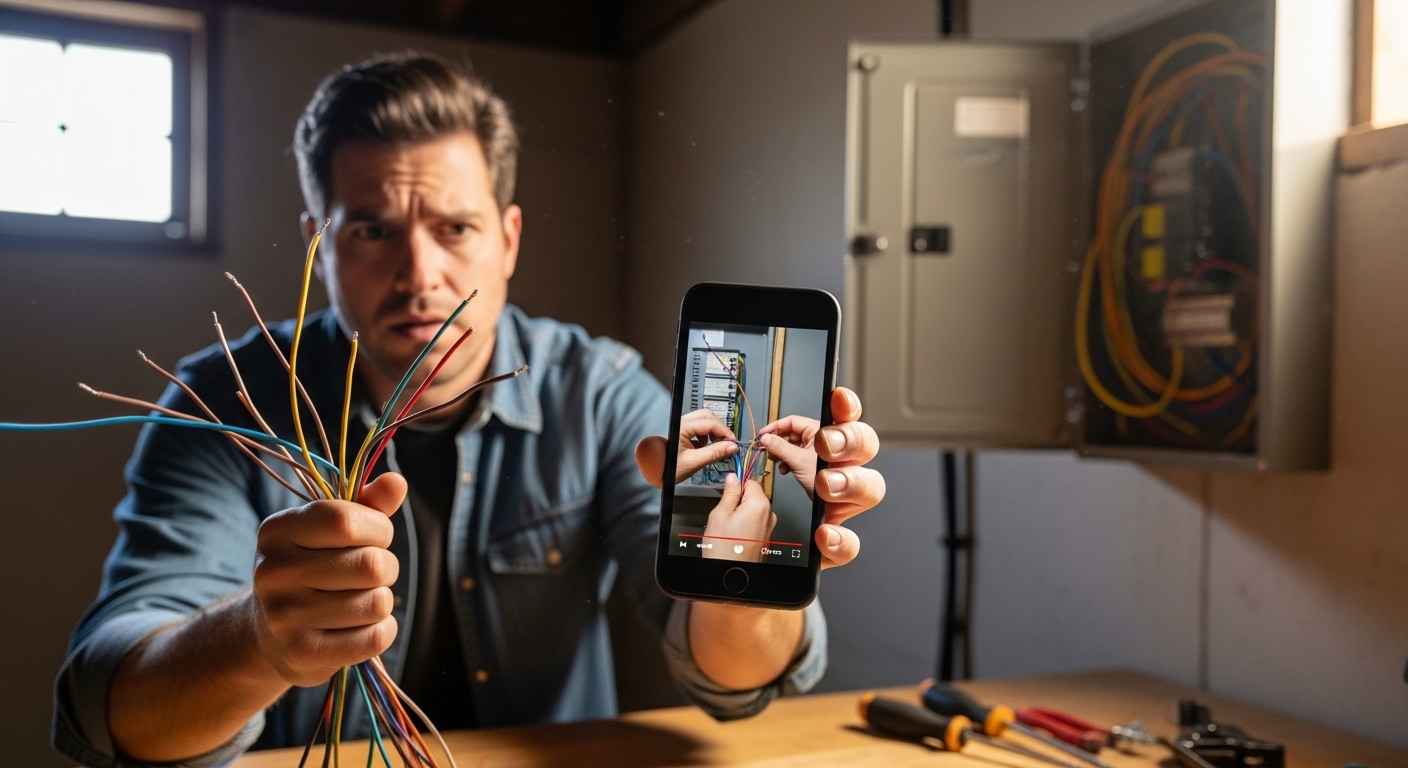
While DIY culture is fantastic for painting walls, laying laminate flooring, or building a bookshelf, electricity is entirely unforgiving. The difference between a "working" electrical connection and a safe, code-compliant connection is massive. A single mistake doesn't just look bad it can burn your house down or deliver a lethal shock.
If you live in California, the stakes are even higher due to our rigid building codes. Here are the true risks of DIY electrical work that every homeowner needs to know before they strip a wire.
1. The Invisible Fire Hazard (Arcing)
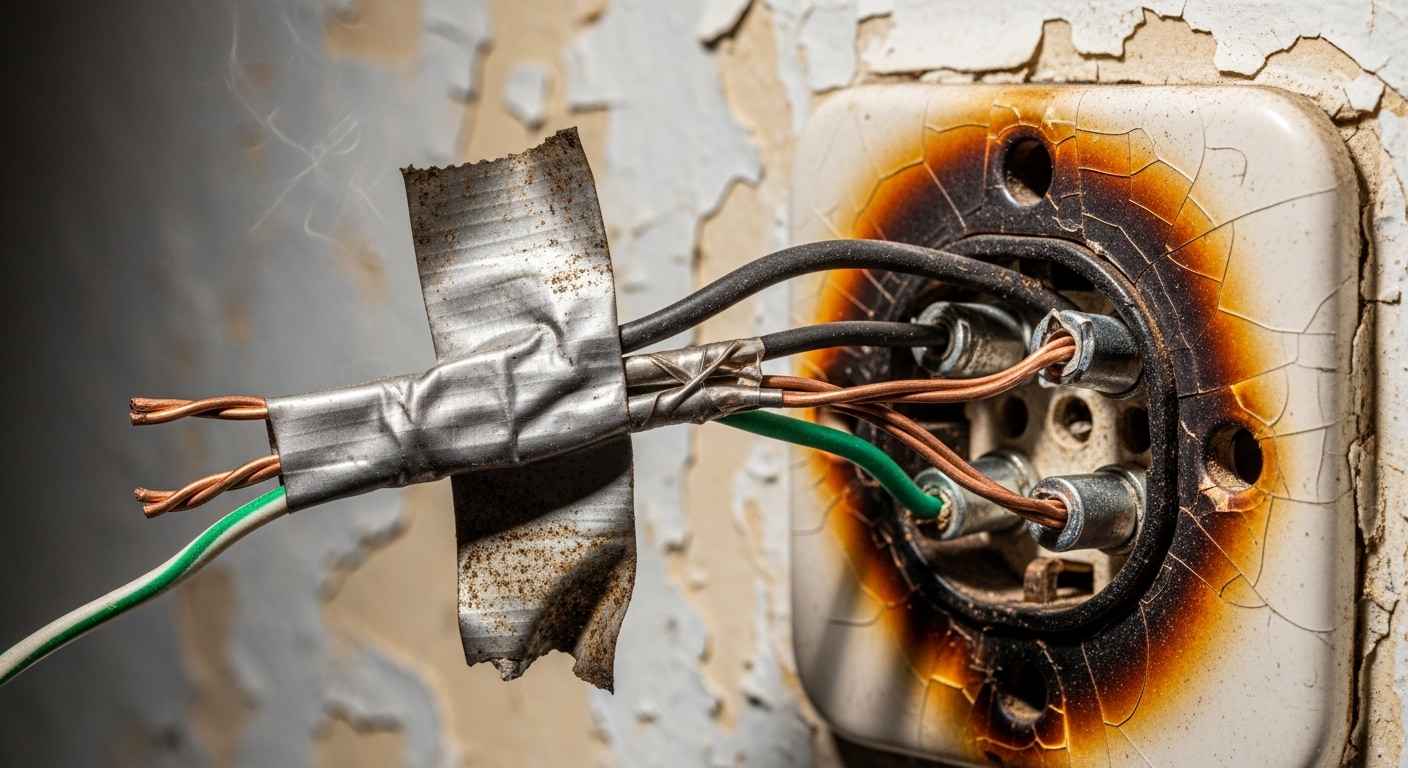
When you twist two wires together and secure them with a wire nut, it might seem secure. If the light turns on, you assume you did it right. However, if that connection isn't torqued to the exact specification required, or if you mix copper and aluminum wiring improperly, you create resistance.
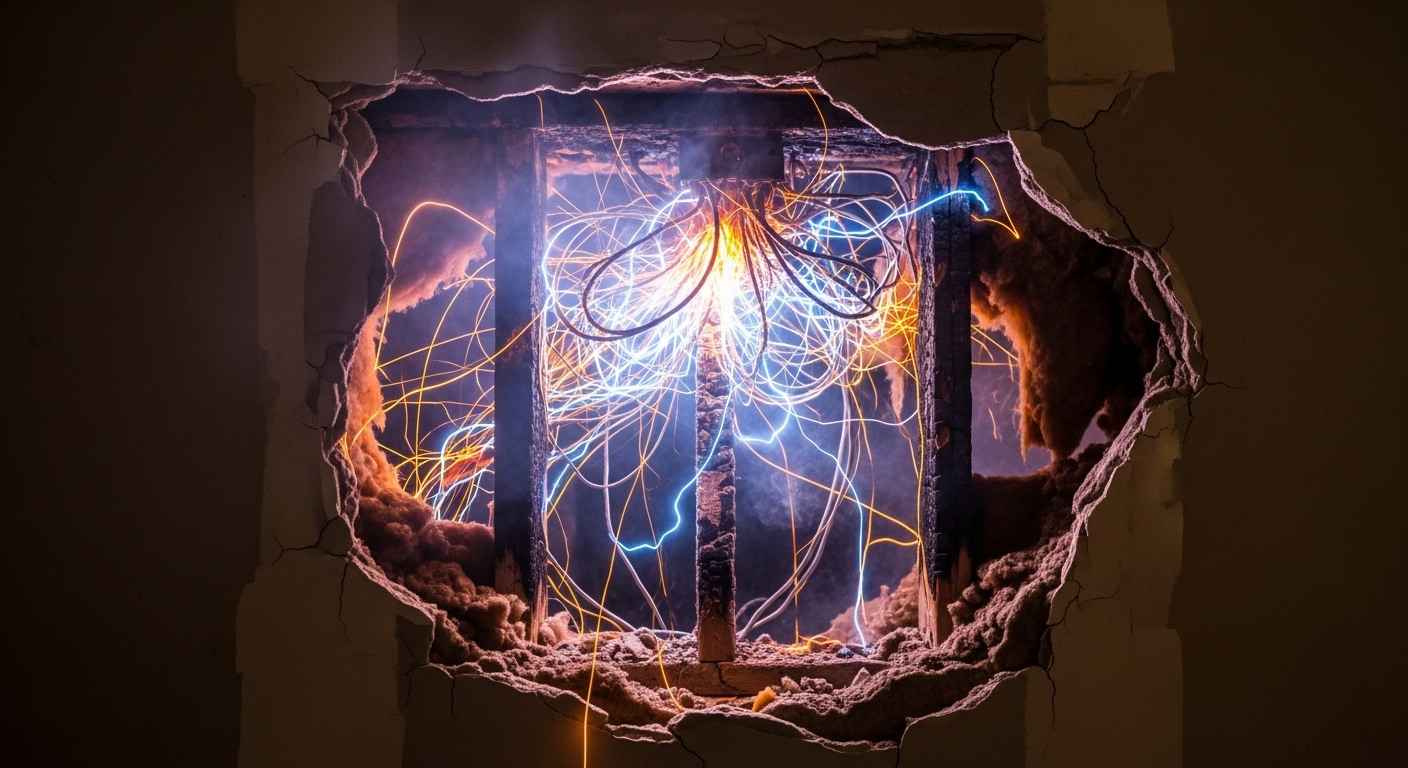
Resistance causes heat. When wires expand and contract as they heat up and cool down, a loose connection gets looser. Eventually, electricity will physically jump (or "arc") across the microscopic gap between the wires. Electrical arcing can reach temperatures exceeding 10,000 degrees Fahrenheit, instantly igniting the wooden studs and insulation inside your walls.
Licensed electricians don't just "make it work"; they are trained to ensure connections are mathematically and physically secure to prevent arcing over decades of use.
2. Unpermitted Work Voids Homeowners Insurance
This is the secret consequence that DIYers don't discover until it's too late. Let's say you wire an outlet yourself, and five years later, it causes a fire that destroys your kitchen.
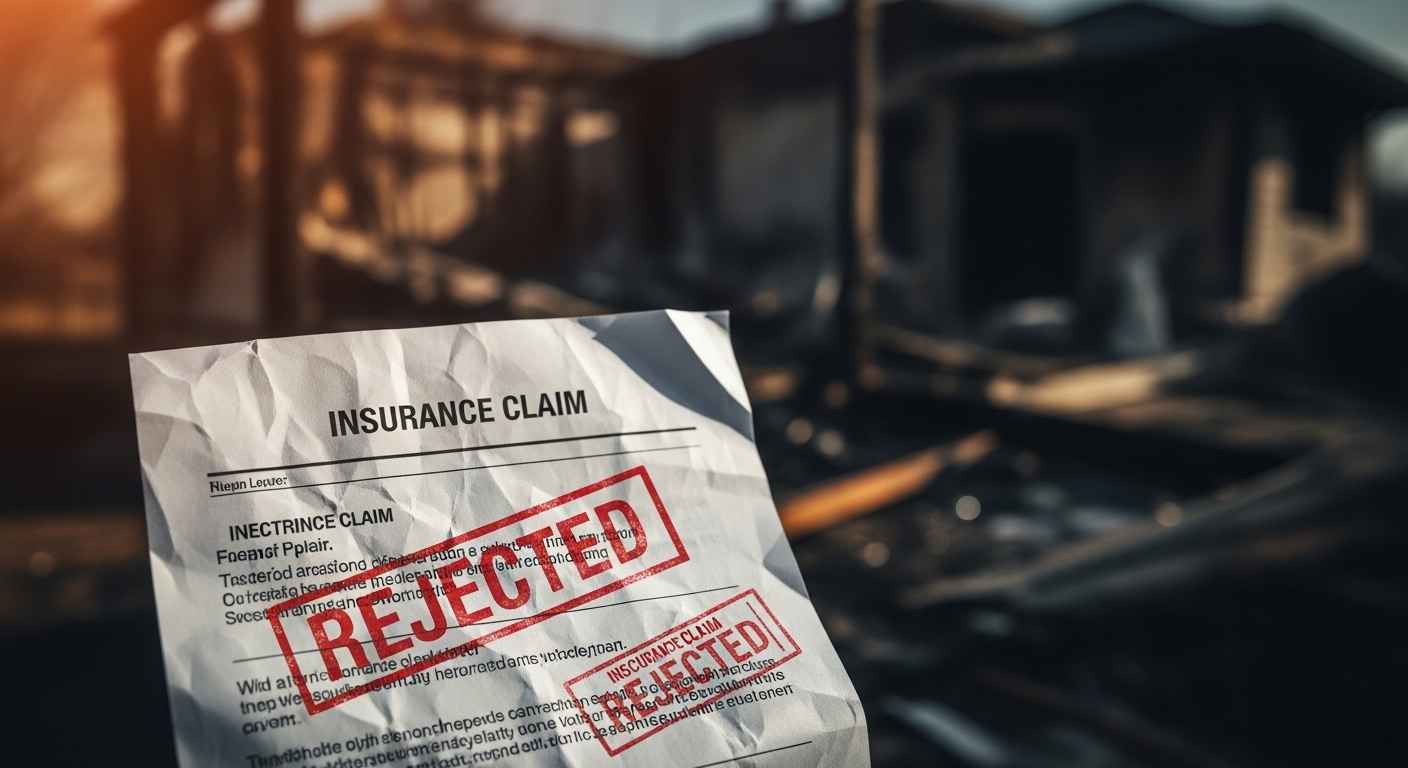
When the fire investigator arrives, they will trace the source back to that outlet. The insurance company will pull the permits on your house. If there is no record of a permit being pulled by a licensed C-10 contractor for that electrical work, they will legally deny your entire claim. You will be paying for the reconstruction out of pocket.
3. Lethal Shock Hazards and Grounding
Electricity always seeks the path of least resistance to the ground. In a properly wired home, that path is the copper ground wire safely routing surges into the earth outside your home.
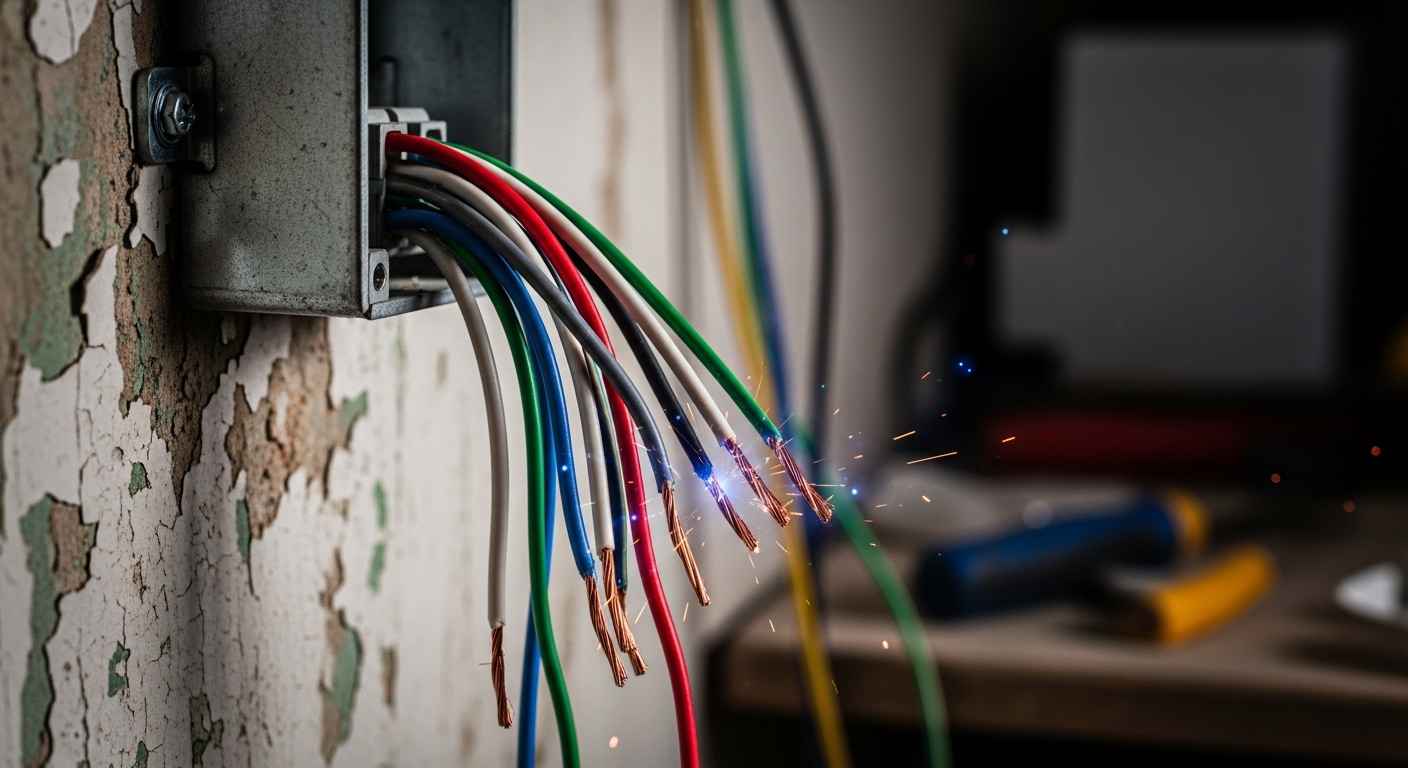
DIYers often confuse neutral wires and ground wires, or they "bootleg" a ground by tying it to the neutral terminal to trick a simple plug tester. If a fault occurs in this scenario, the metal casing of your appliances (like your refrigerator or washing machine) can become instantly electrified. If you touch the appliance, you become the path to the ground, resulting in a severe or lethal shock.
4. The Nightmare of Real Estate Inspections
Are you flipping a house or hoping to sell in the next few years? In California, unpermitted DIY electrical work is a massive red flag that can derail an entire real estate transaction.
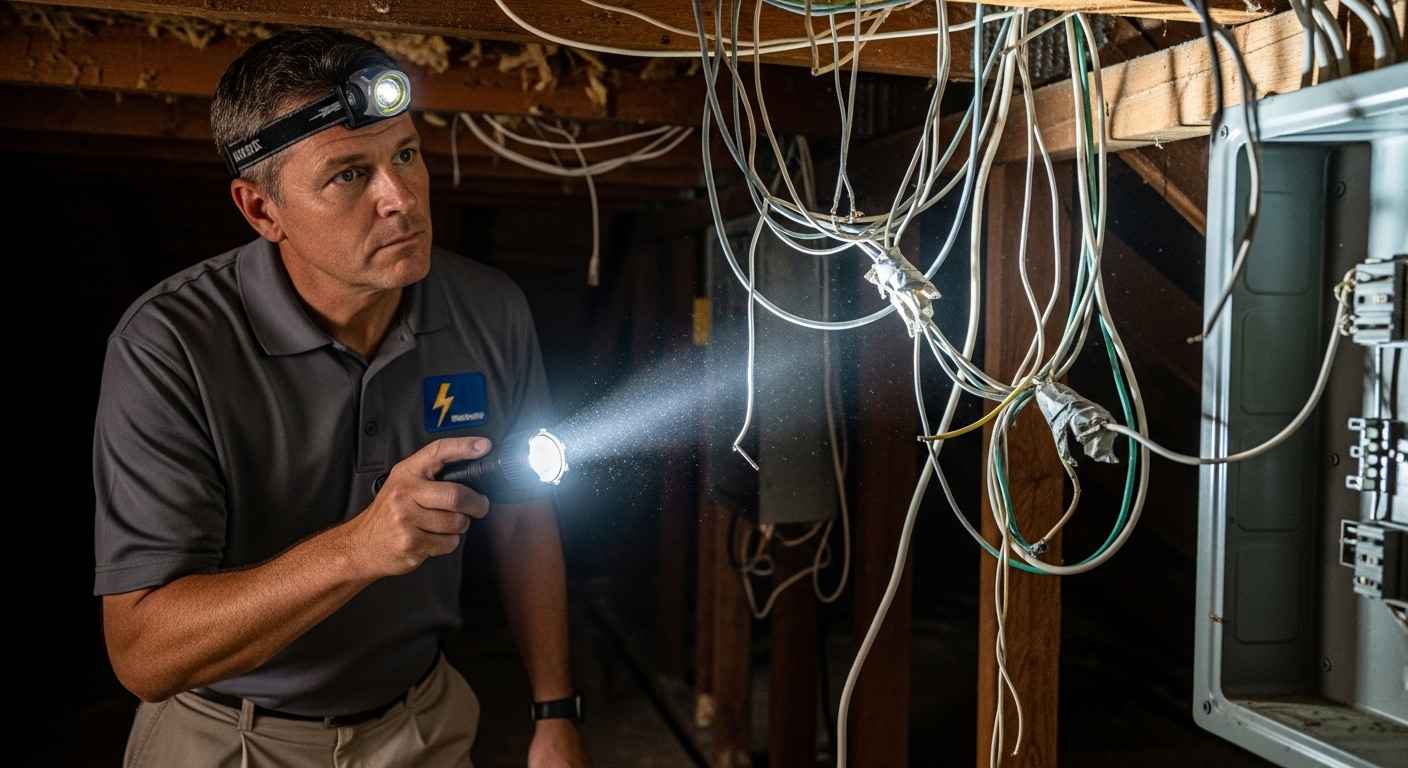
During escrow, the buyer's inspector will look inside your electrical panel and your attic. They can easily spot DIY "handyman" work such as Romex wire missing its protective conduit, overloaded breakers, or junction boxes hidden inside walls (a massive code violation). If unpermitted work is found, the buyer will demand you hire a licensed electrician to tear open the walls, inspect the entire circuit, and pull retroactive permits costing you thousands of dollars and weeks of delays.
What IS Safe for DIY?
We aren't saying you can't touch anything in your home. There are a few aesthetic tasks that are generally safe for a cautious homeowner to tackle (always with the main breaker turned OFF):
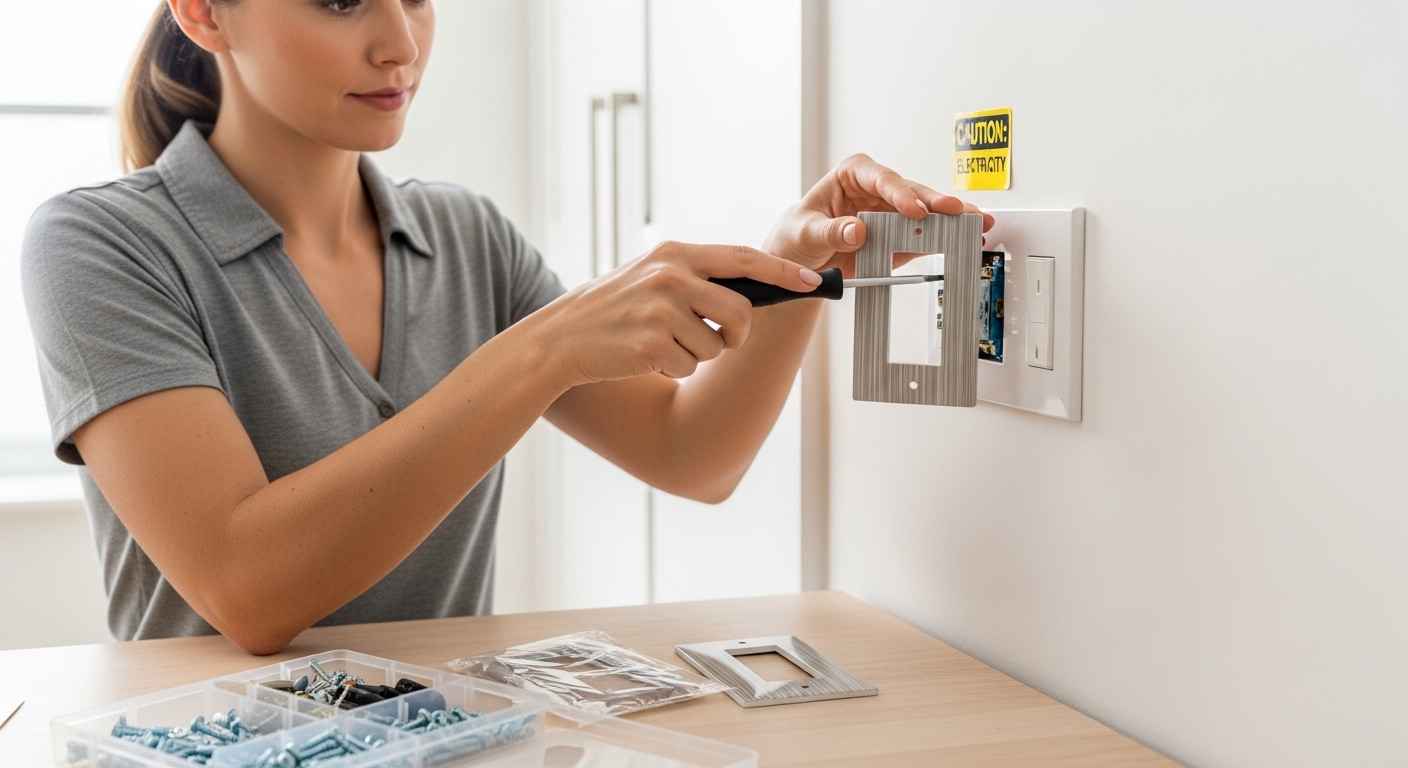
- Changing decorative plastic switch plates or outlet covers.
- Replacing standard light bulbs with LEDs.
- Resetting a tripped breaker (once! If it trips again, call a pro).
- Installing battery-operated smart home devices (like a wireless Ring doorbell).
Protect Your Biggest Investment
The California Electrical Code (Title 24) exists to save lives. Hiring a licensed, insured C-10 Electrical Contractor ensures the job is done perfectly, legally permitted, and fully backed by liability insurance.