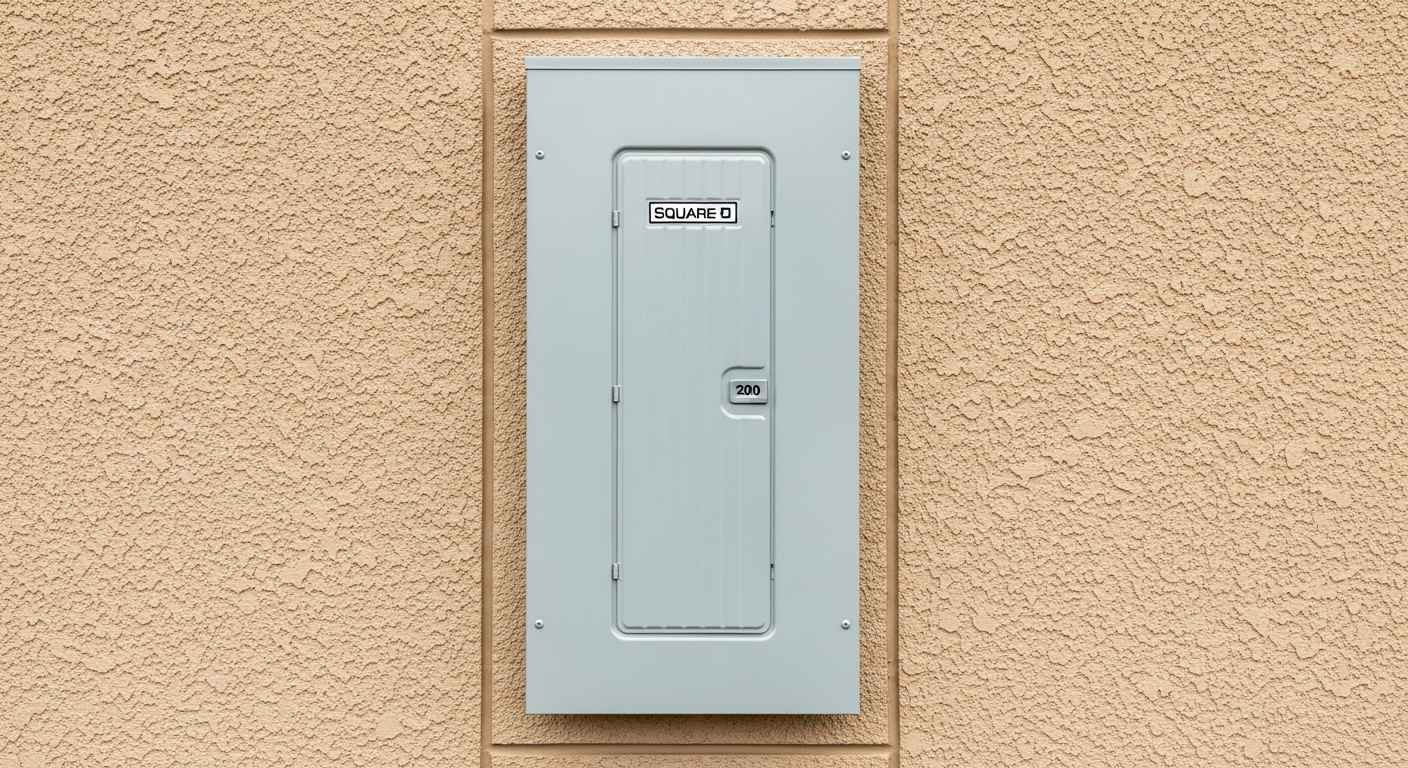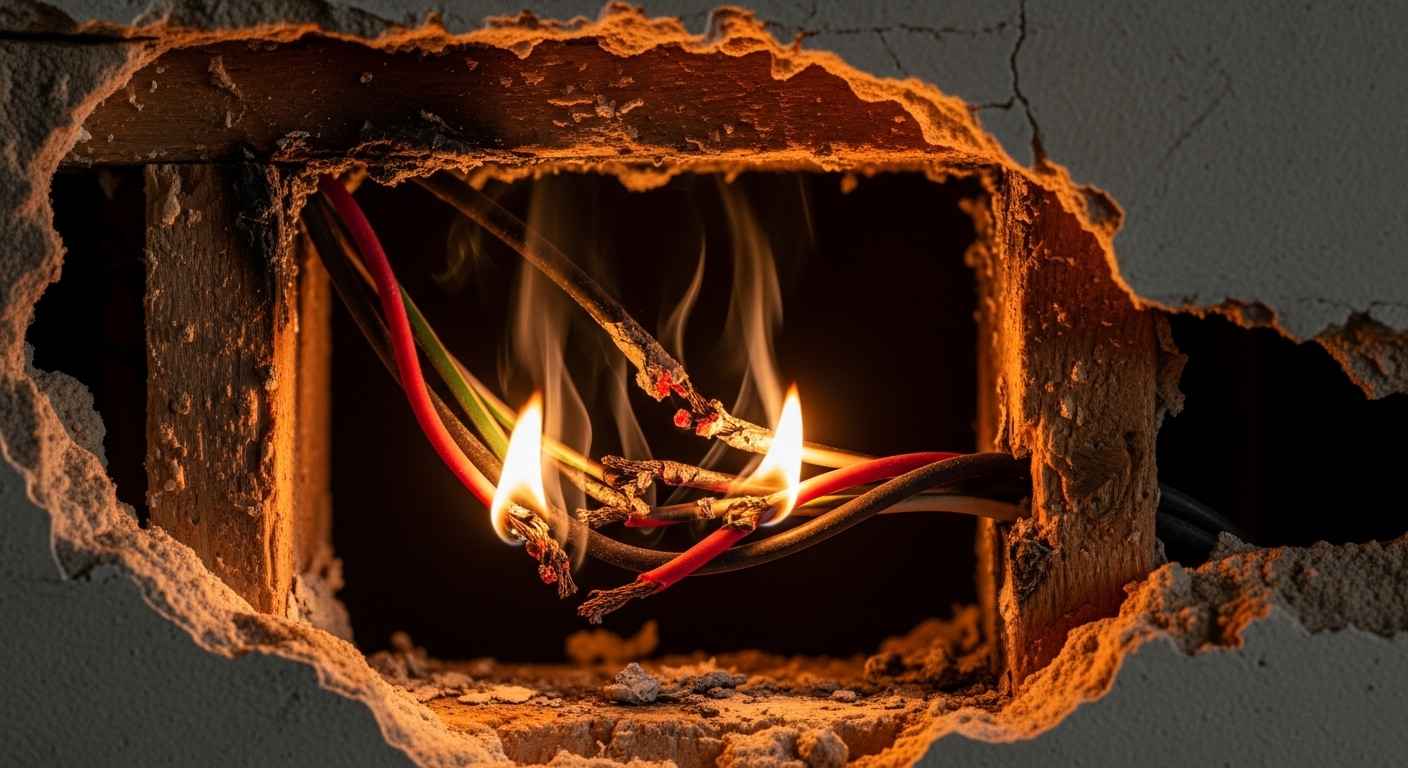
You’re sitting in your living room watching TV, and suddenly you notice it: an acrid, chemical smell. It might smell like burning plastic, melting rubber, or oddly enough, dead fish or urine. You check the kitchen, but nothing is burning on the stove.
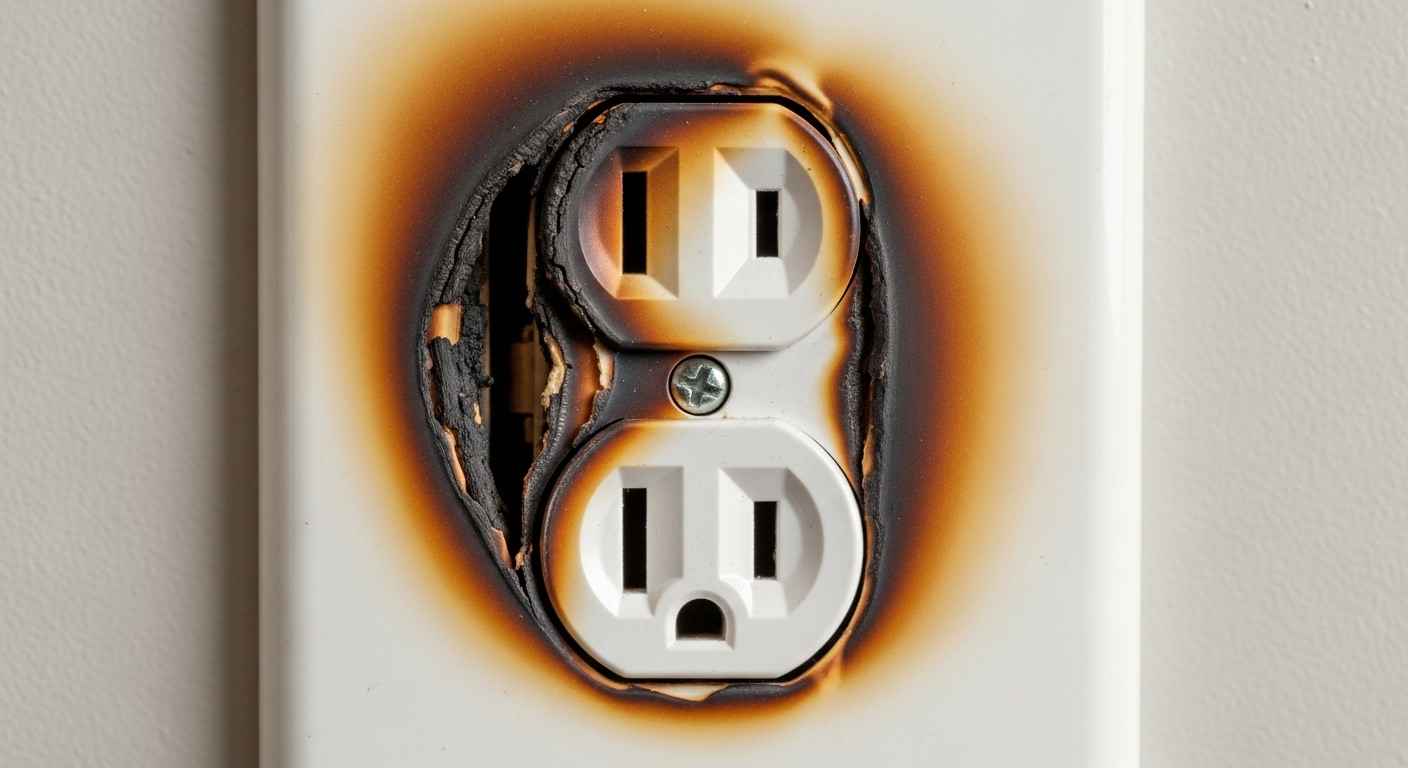
Do not ignore this odor or assume it will go away. That smell is the plastic insulation around your electrical wires actively melting due to extreme heat. You are moments away from a catastrophic electrical fire behind your drywall. Here is your step-by-step emergency action plan.
Step 1: Do Not Ignore It. Find the Source.
Use your nose to trace the strongest concentration of the smell. Is it coming from a specific wall outlet? A light switch? A heavy appliance like your dryer or Central AC? Or is it coming directly from your main electrical panel in the garage?
DO NOT touch any outlet or panel that feels hot or smells like burning. If you see actual smoke, sparks, or flames, immediately evacuate your home and call 911.
Step 2: Turn Off the Power at the Source
If there is no active fire yet, your immediate goal is to stop the flow of electricity that is causing the heat. If you know exactly which outlet or appliance is causing the smell, go to your breaker box and flip that specific breaker to the "OFF" position.
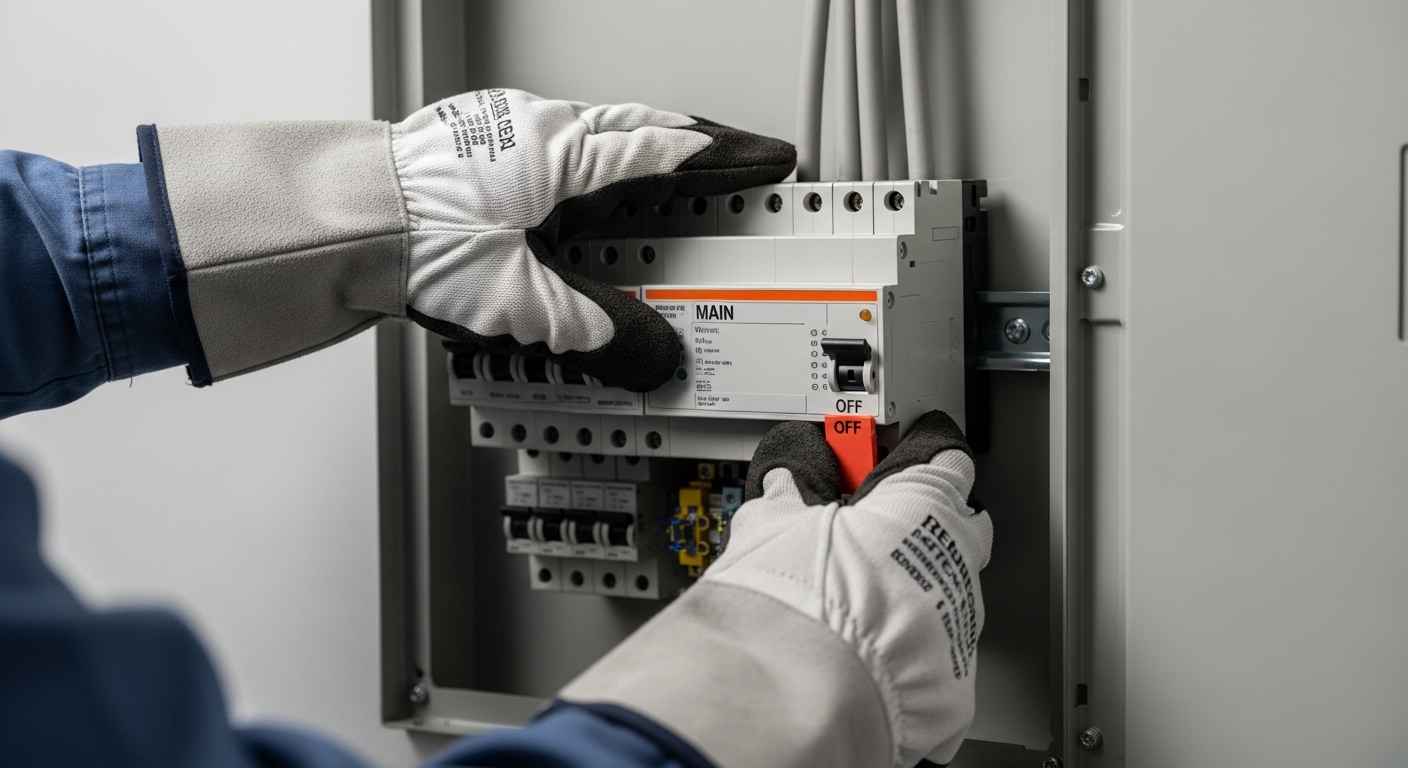
If you cannot locate the exact source of the smell, or if the smell is coming from the breaker box itself, turn off the Main Breaker. This is usually a large double-switch located at the very top or bottom of your panel. Flipping this will kill power to your entire house, but it will instantly stop the thermal runaway inside your walls.
Step 3: Call an Emergency Electrician (Do NOT DIY)
Once the power is off, the immediate danger has paused. However, the damage is already done. The wires inside your wall are now stripped of their protective insulation and are lying bare against your wooden studs.
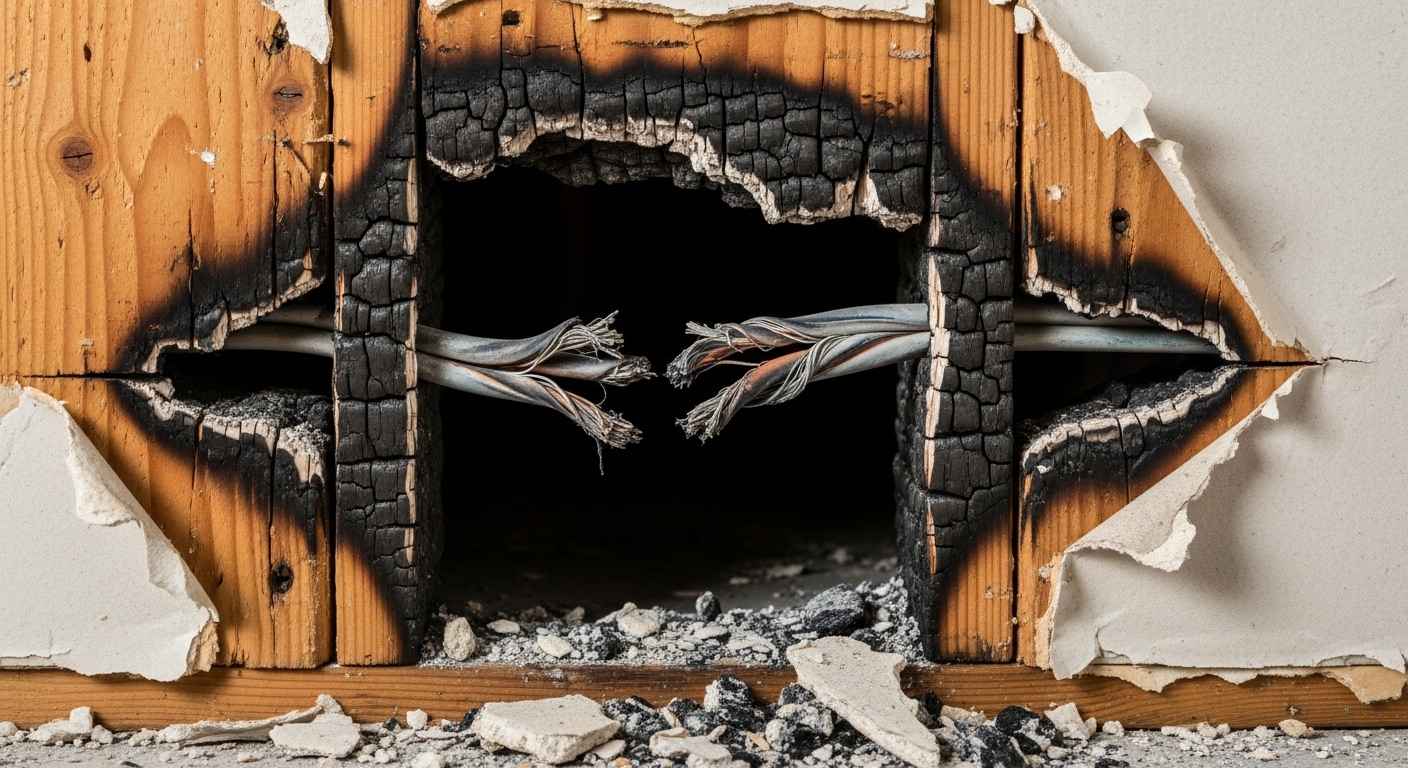
You cannot simply turn the breaker back on to "see if it happens again." You must call a licensed C-10 emergency electrician. At CD Ampers Electrical, we utilize specialized thermal imaging cameras and voltage meters to find the exact point of failure behind your walls without having to tear down your entire living room.
Why Does Electrical Wiring Melt? (The 3 Main Causes)
Electrical wires are designed to carry specific amounts of current. When the system fails, heat is generated. Here are the three most common reasons this happens in Los Angeles and South Bay homes:
1. Electrical Arcing (Loose Connections)
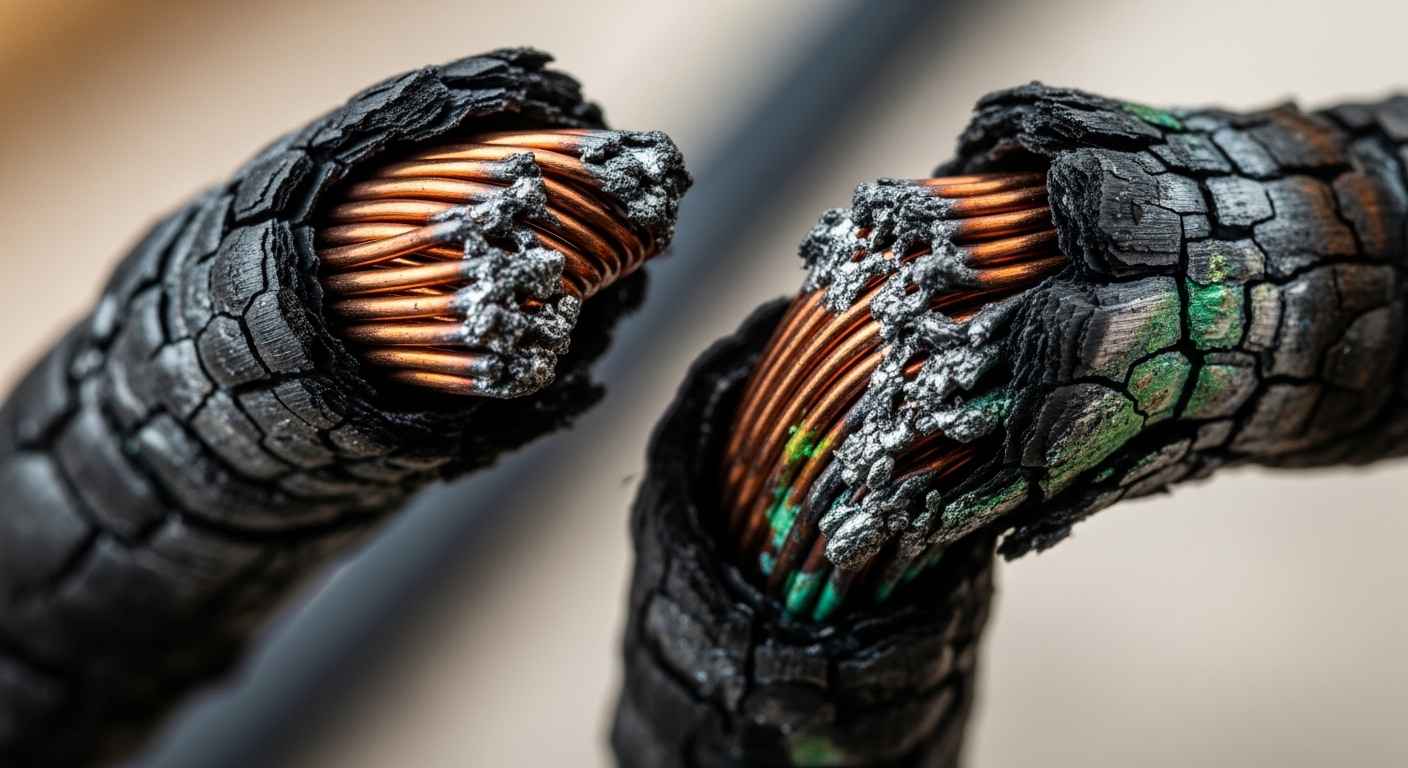
This is the most common culprit. Wires naturally expand when they get warm and contract when they cool down. Over decades, this microscopic movement can cause the screws holding the wires to an outlet to loosen. When a connection is loose, electricity literally has to "jump" (or arc) across the gap. This arcing can reach temperatures of up to 10,000°F instantly melting the surrounding plastic.
2. Overloaded Circuits
If you have an older 1950s tract home in Torrance or Whittier, your circuits were never designed to handle space heaters, portable AC units, gaming PCs, and microwaves all running simultaneously. If your breaker fails to trip during an overload, the wire itself acts as the fuse, glowing red-hot until the insulation melts away.
3. A Defective Electrical Panel (Zinsco or FPE)
If the burning smell is coming directly from your electrical panel, you have a massive structural emergency. Certain older panels, specifically those branded as Zinsco or Federal Pacific Electric (FPE), have documented design flaws where the breakers melt and fuse to the main bus bar instead of tripping.

The Ultimate Solution: A Panel Upgrade
If your electrical system is melting down, piecemeal repairs are often just a band-aid. The safest, most permanent solution is a comprehensive 200-Amp SCE Panel Upgrade.

Upgrading your panel removes all degraded, heat-damaged equipment from your home. It provides modern arc-fault (AFCI) breakers that can detect a loose connection before it generates heat, and gives you the heavy-duty capacity to safely run Central AC and EV chargers without fear.
Are You Smelling Plastic Right Now?
Turn off your main breaker immediately. Do not attempt to investigate exposed wires yourself. Call CD Ampers Electrical for rapid emergency dispatch across Los Angeles.