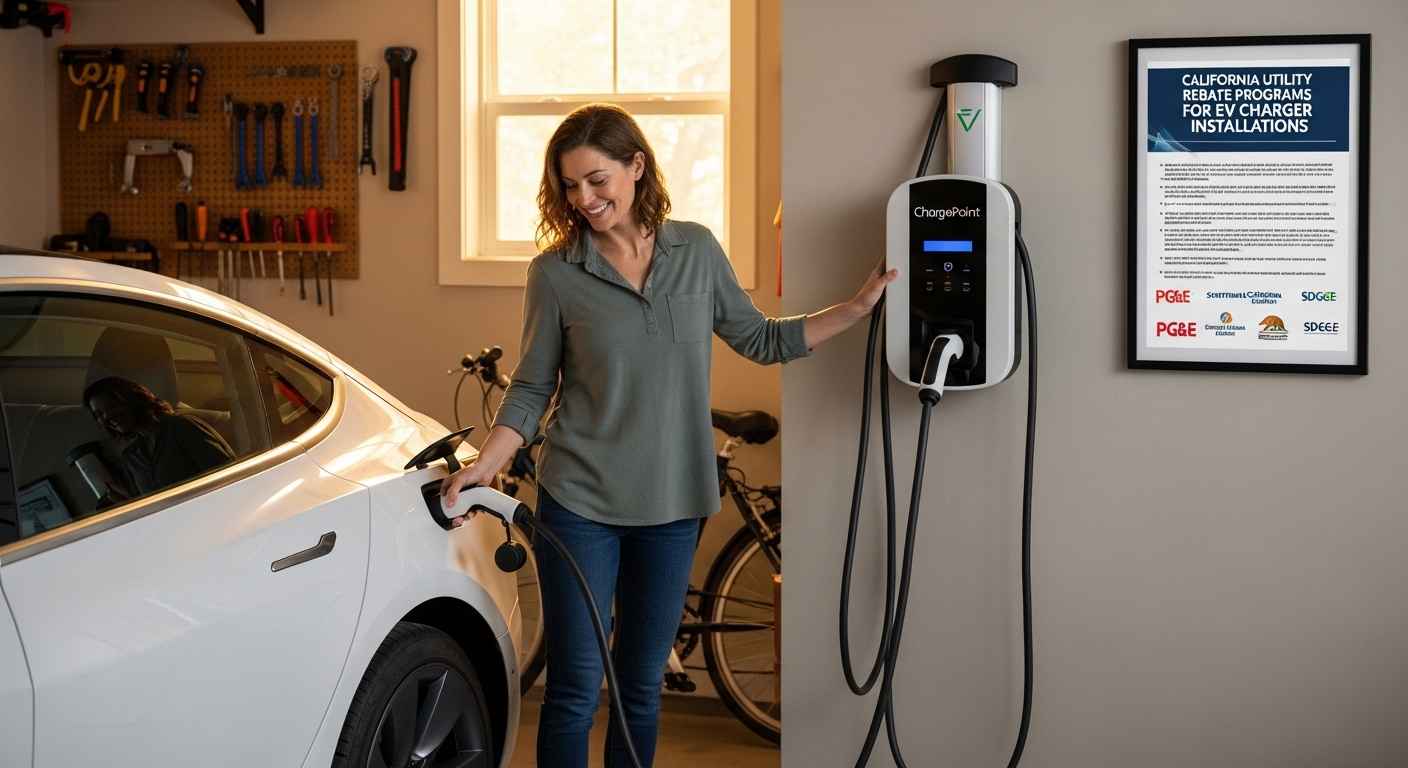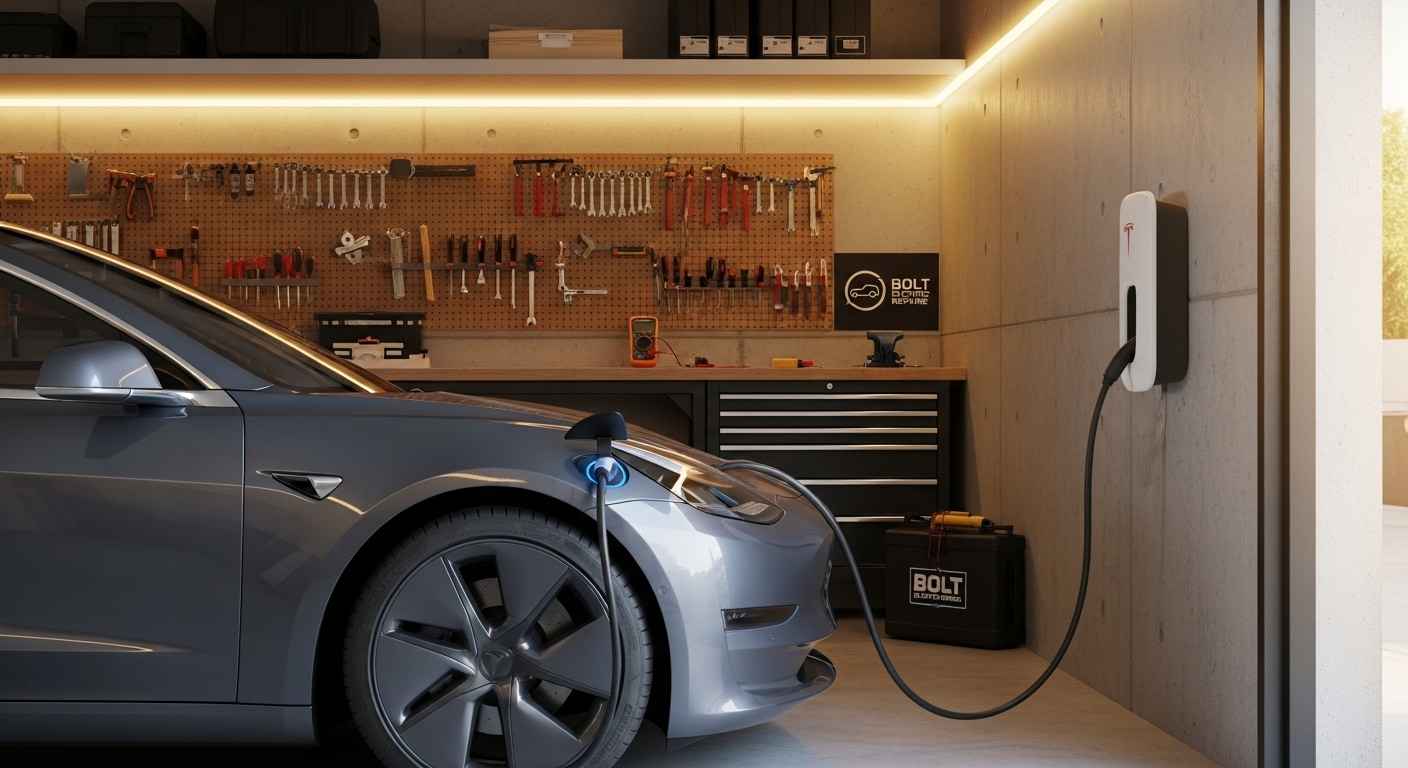
Electric vehicles are taking over Los Angeles. Between the high gas prices and the convenience of waking up to a "full tank" every morning, more Angelenos are making the switch. But once you order the car, the next big hurdle arises: installing the charger at home.
If you search online for "EV charger installation cost," you'll see wild ranges anywhere from $300 to $4,000. Why the massive discrepancy? Because every house in LA is different. Installing a charger in a 2018 modern build in Torrance is vastly different from retrofitting a 1950s historic home in Whittier.
Let's break down the four main factors that dictate the exact cost of your EV charger installation in Los Angeles.
Factor 1: Hardwired Charger vs. NEMA 14-50 Outlet
You generally have two choices when installing a Level 2 (240V) charging solution at home:
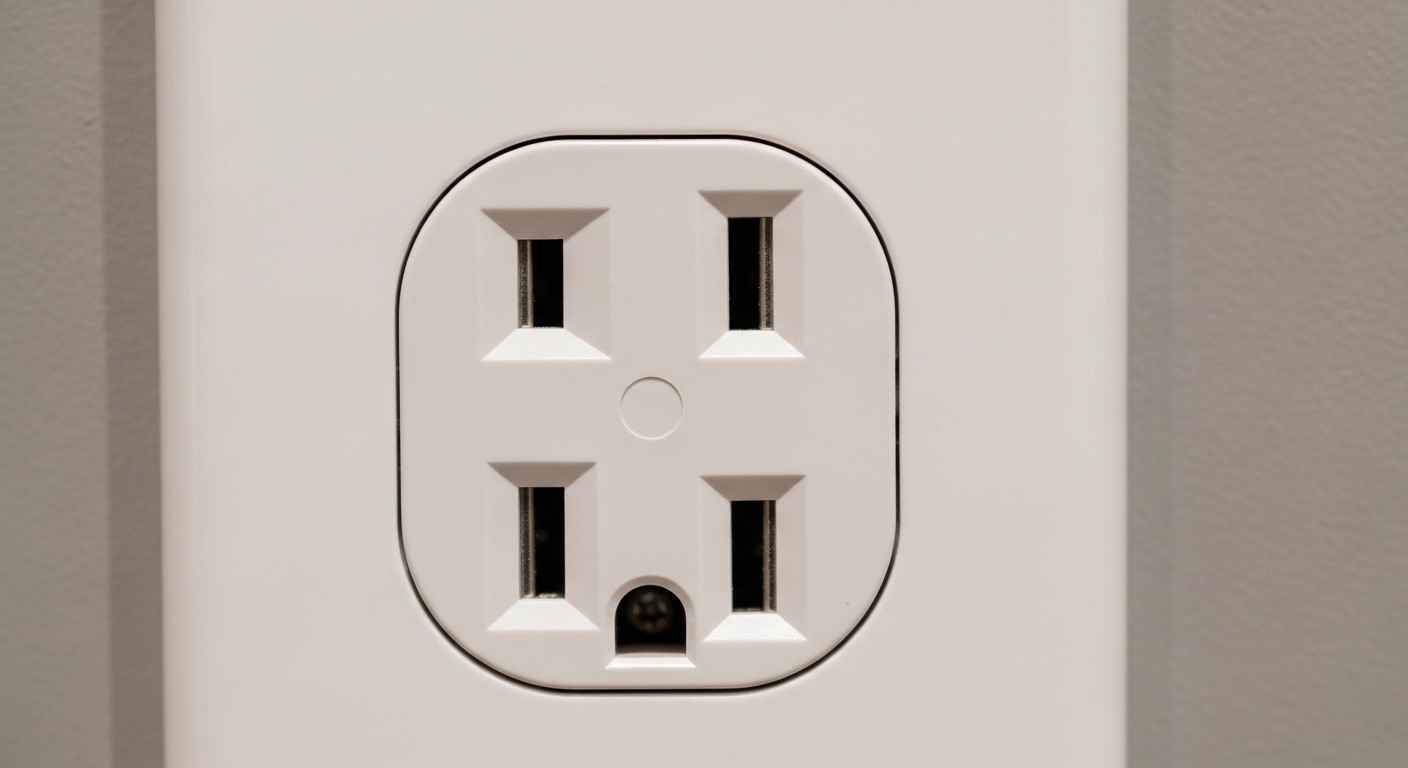
- The NEMA 14-50 Receptacle: This is a heavy-duty outlet (like the one your electric dryer uses). You mount the outlet to the wall and plug your portable EV charger into it. This is generally cheaper for the installation itself, but under modern NEC code, NEMA 14-50 outlets used for EV charging require an expensive GFCI circuit breaker.
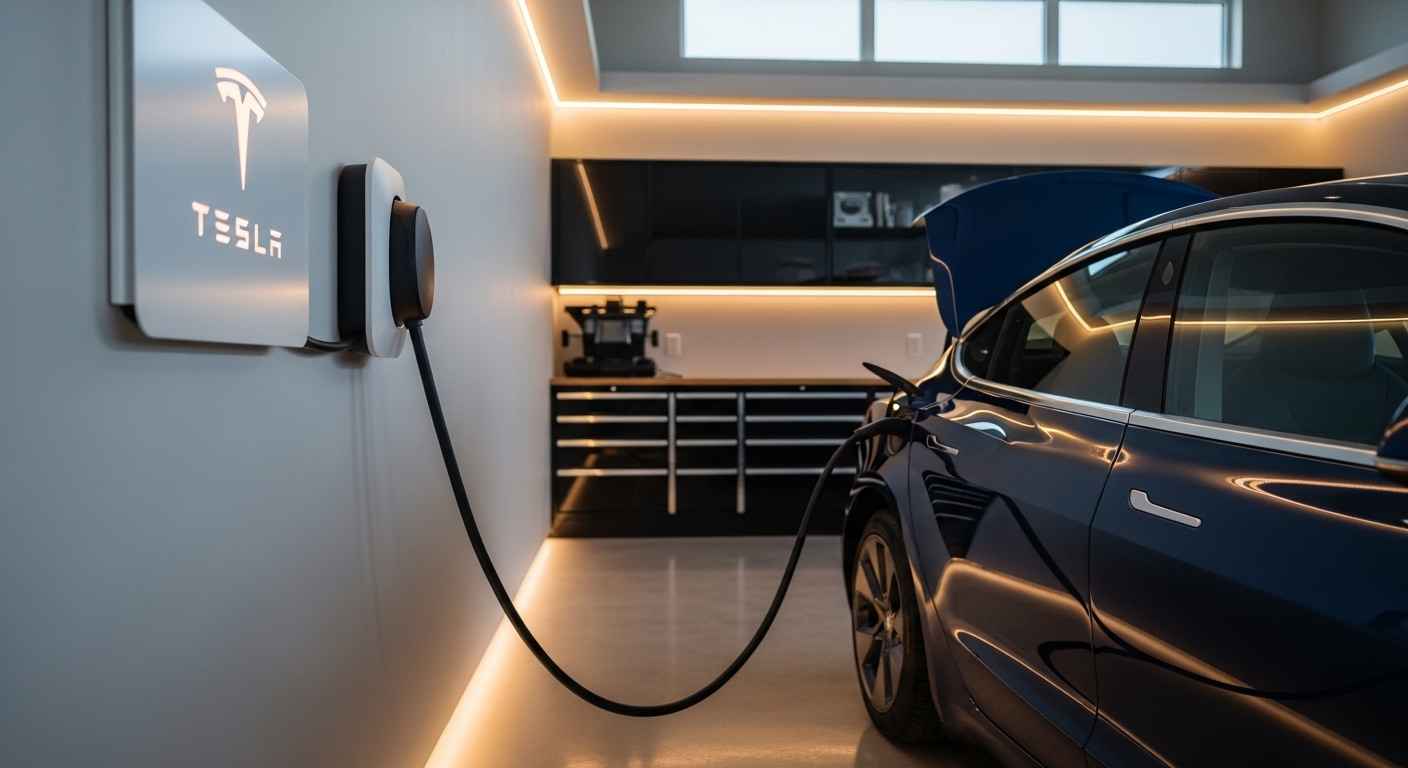
- Hardwired EV Charger (Wall Connector): This involves permanently wiring a dedicated charging unit (like a Tesla Wall Connector or ChargePoint) directly into your electrical system. While you have to buy the charger unit upfront, you bypass the need for a GFCI breaker, and hardwired units can safely deliver more power (up to 60 Amps) for faster charging.
Factor 2: Distance from Your Electrical Panel
The cost of installation scales directly with how far your garage (or driveway) is from your main electrical panel. Copper wiring capable of carrying 60 Amps is thick, rigid, and expensive.
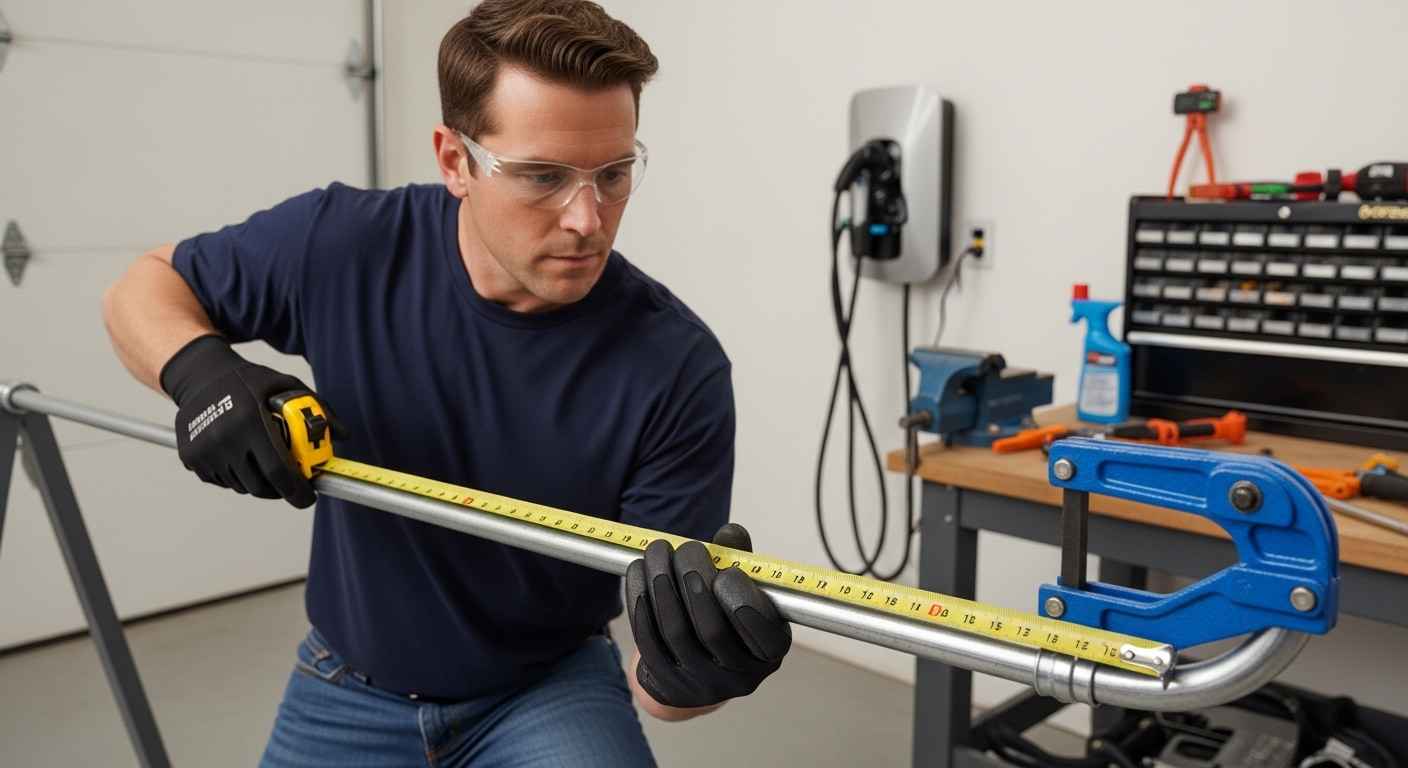
If your panel is located right inside the garage where you want to park, the wire run might only be 5 feet. The cost will be minimal. However, if your panel is on the back of the house, and your driveway is in the front, the electrician must run conduit through attics, crawlspaces, or even trench a line underground. Long, complex wire runs require significantly more labor and materials.
Factor 3: The Biggest Variable - Panel Capacity
This is where the $500 job turns into a $4,000 job. A standard Level 2 EV charger requires a dedicated 50-Amp or 60-Amp circuit.
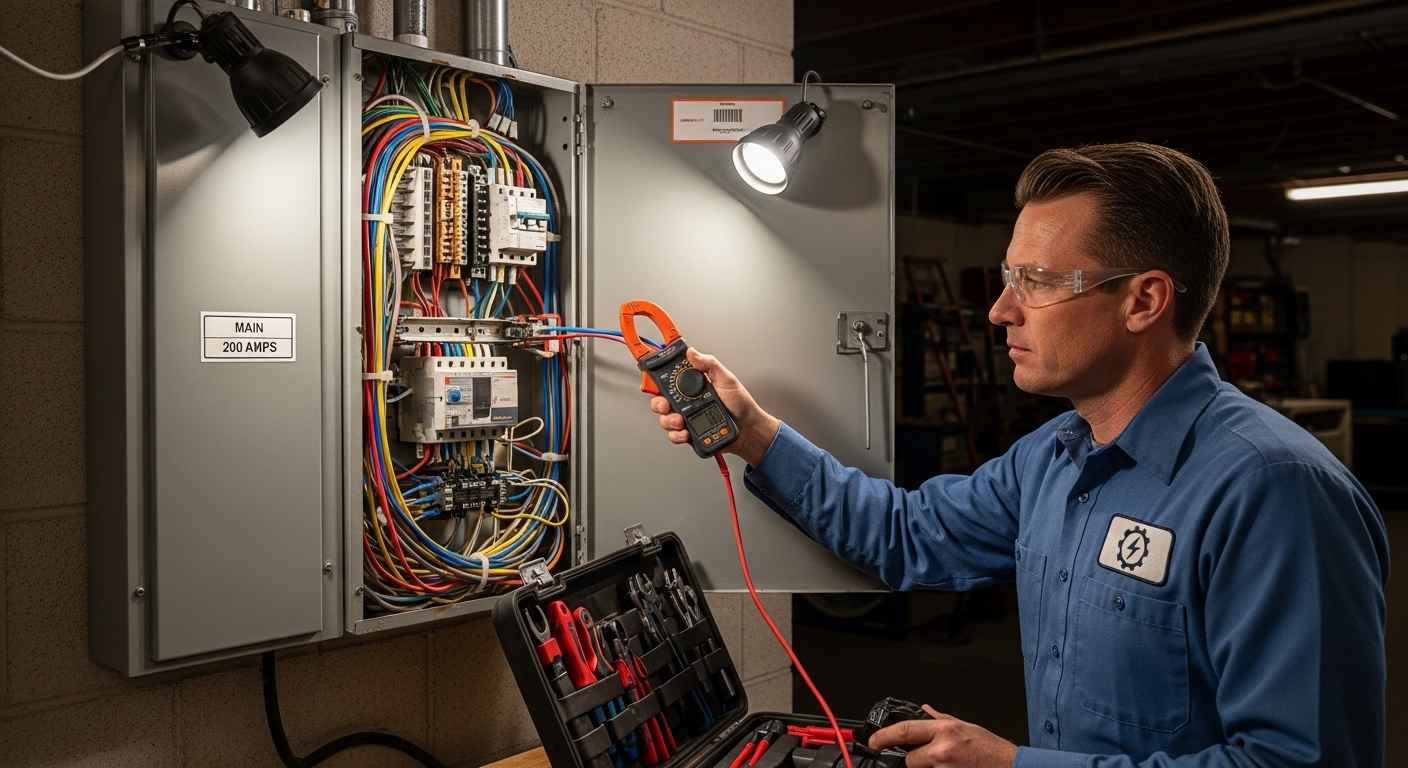
Before pulling a permit, we must perform an NEC Article 220 Load Calculation. If your Los Angeles home still has an older 100-Amp electrical panel, and you already have Central AC, an electric oven, and an electric dryer, you do not have enough physical capacity left to add a car charger.
If your panel is maxed out, you will be legally required to undergo a 200-Amp Electrical Panel Upgrade before the city will allow the EV charger to be installed. A panel upgrade typically ranges from $3,500 to $5,500 depending on SCE coordination.
Factor 4: Permitting and Inspections (LADBS)
Do not let a "handyman" convince you to skip the permit. Installing a 60-Amp circuit is serious, high-voltage work. Unpermitted electrical work is a massive fire hazard and will void your homeowner's insurance.
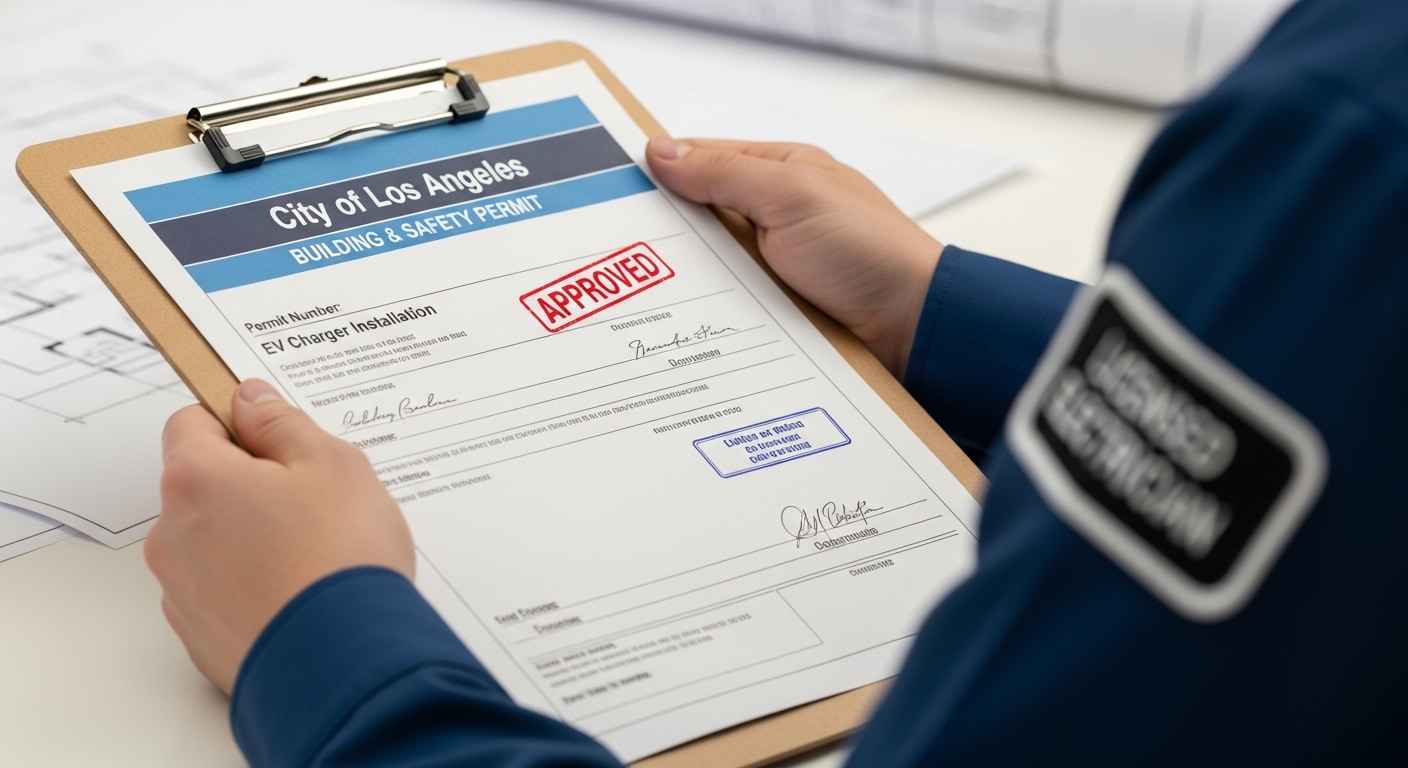
Pulling a permit with the Los Angeles Department of Building and Safety (LADBS) or your local city (like Torrance or Whittier) guarantees that a city inspector will verify the work. Permit fees generally range from $100 to $300, and a licensed C-10 contractor handles this entire process for you.
Offsetting the Cost: LADWP & SCE Rebates
The good news? Southern California actively wants you to drive electric, and they are willing to help pay for your charger installation.
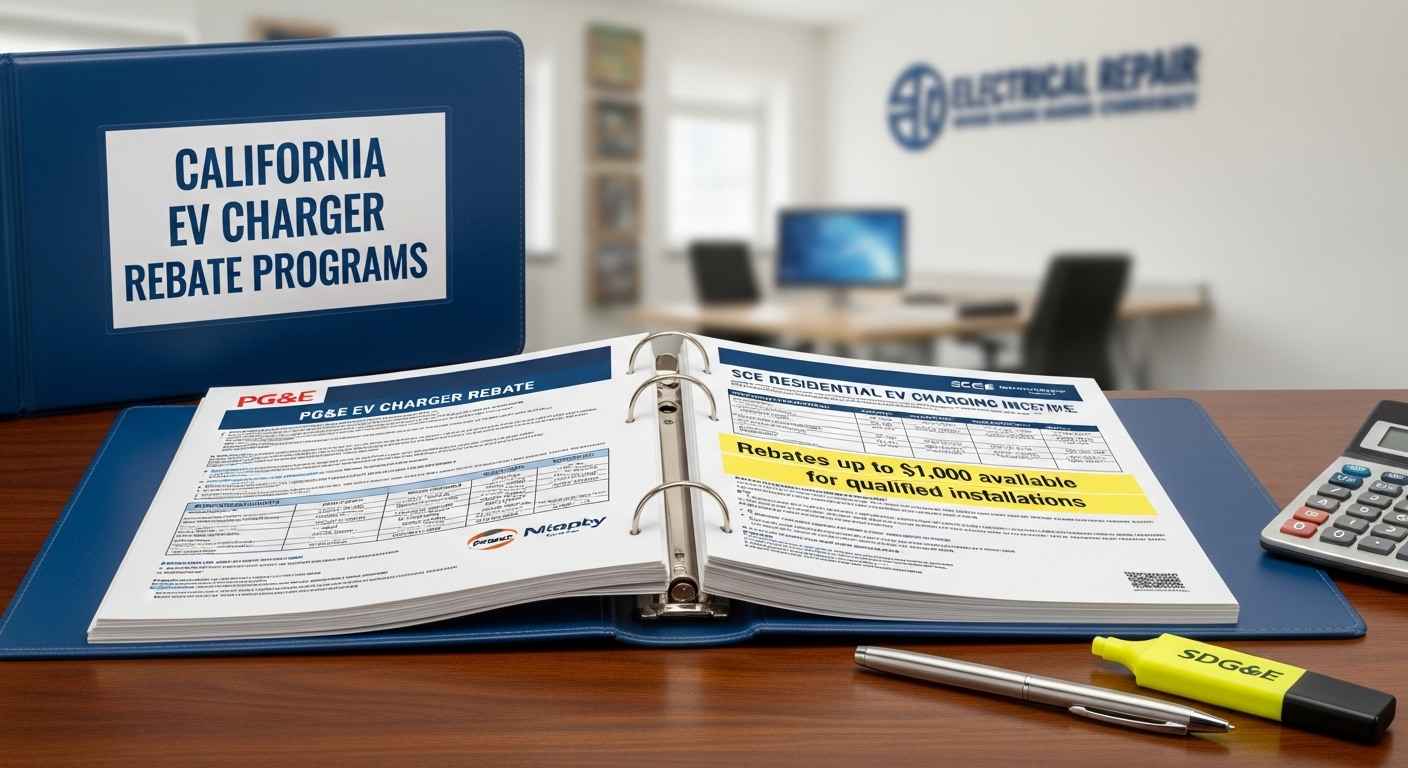
- LADWP Charge Up LA!: Offers residential customers rebates of up to $1,000 for the purchase and installation of a qualifying Level 2 charger.
- SCE Charge Ready: Southern California Edison frequently updates rebate programs, offering hundreds of dollars off installation costs (or free chargers) depending on your zip code and panel status.
Note: Rebate programs require proof that the work was completed by a licensed contractor and legally permitted.
So, What is the Final Cost?
If your panel is close to your garage and has plenty of capacity, a simple installation can range from $500 to $1,200. If you need a long, complex wire run or trenching, expect $1,500 to $3,000. If your older home requires a full 200A panel upgrade first, the total project will range from $4,500 to $6,500+.