If you own an older home in Los Angeles, the South Bay, or the San Gabriel Valley, you already know that electrical problems are inevitable. The symptoms are familiar: the lights dim when the AC kicks on, you blow a fuse when you use the microwave, or your home inspector flags your electrical system during a sale.
When you call an electrician, you will usually hear one of two terms: a Panel Upgrade or Whole House Rewiring. To the average homeowner, these terms sound identical. In reality, they solve two entirely different problems.
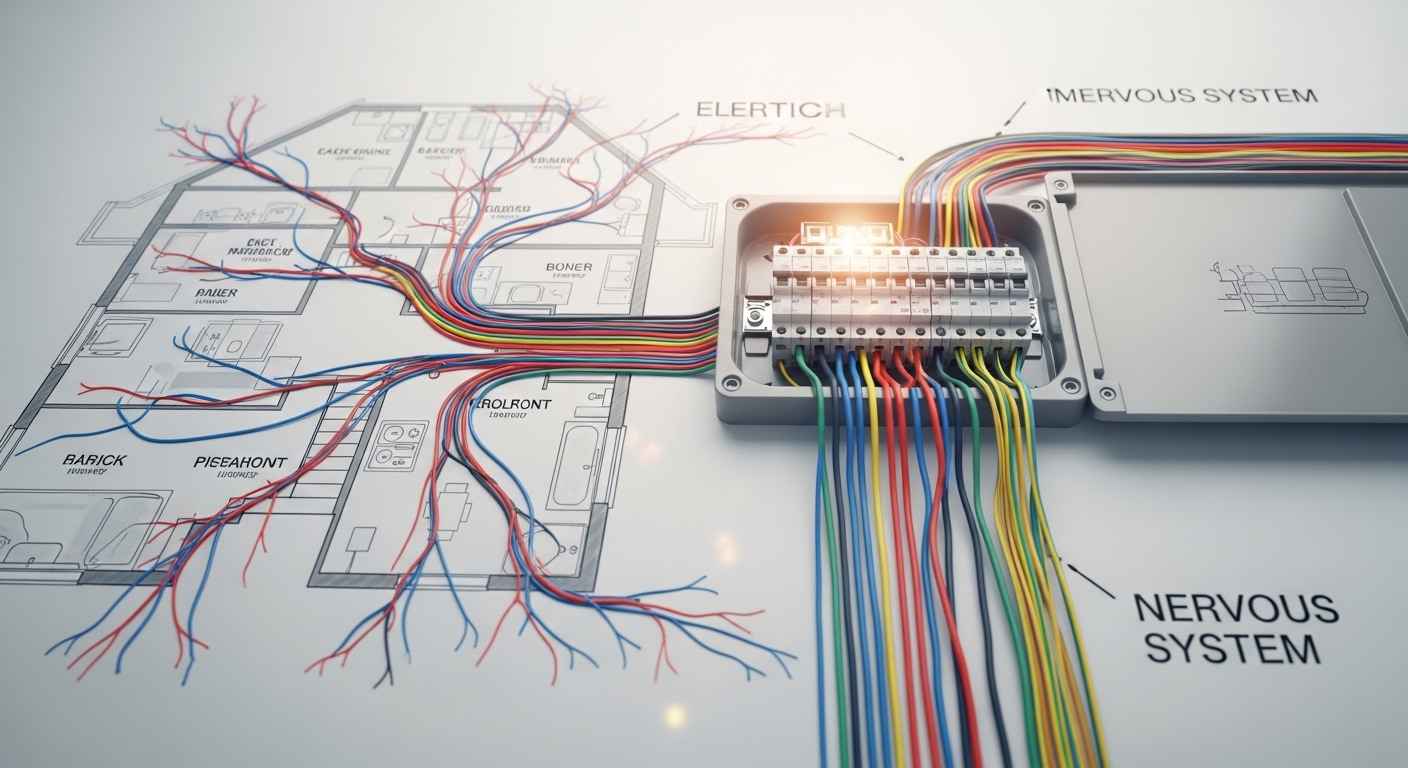
To put it simply: think of your electrical panel as the heart of your home, pumping electricity. Think of the wiring inside your walls as the veins carrying that electricity to the outlets. Depending on the age and condition of your home, you might need a new heart, new veins, or both.
Part 1: The Electrical Panel Upgrade (The Heart)
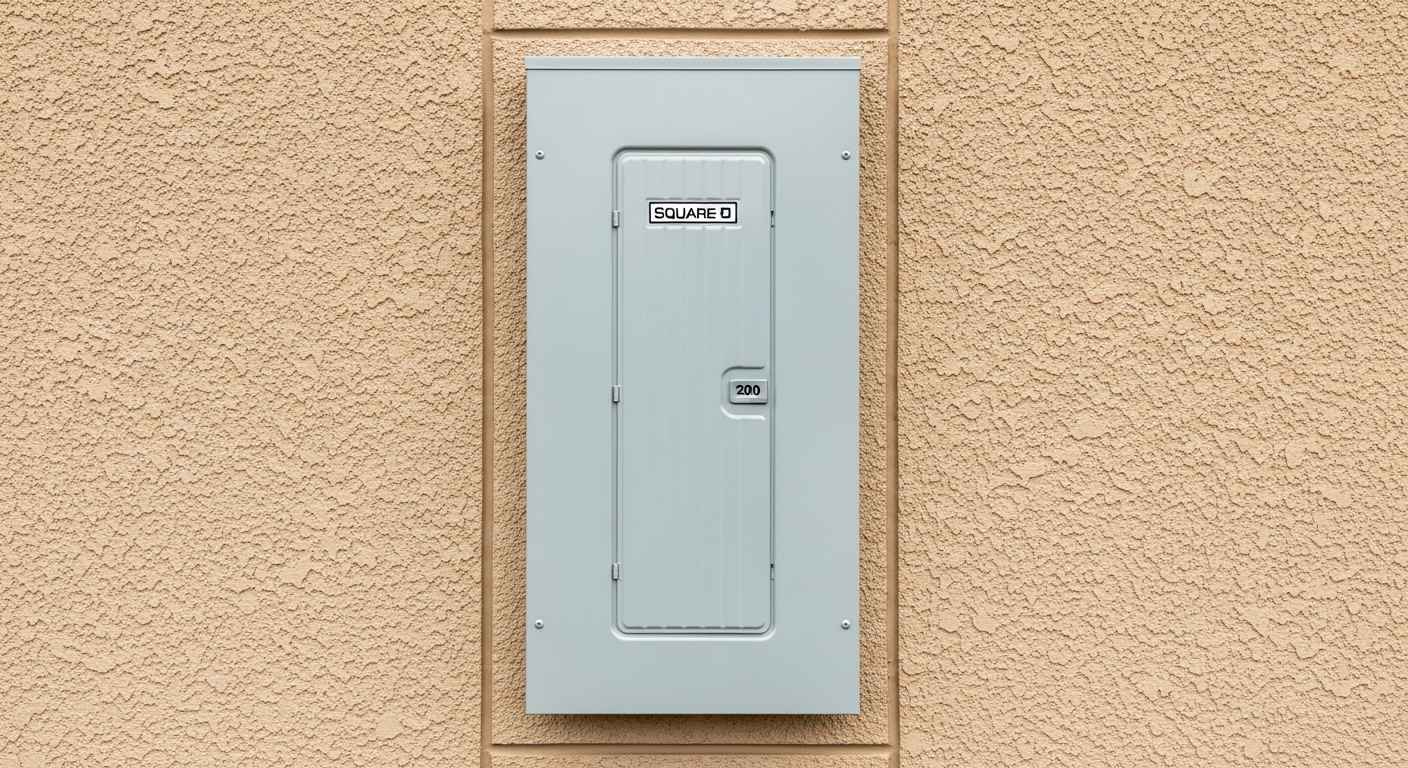
An electrical panel upgrade involves replacing the main breaker box on the outside (or sometimes inside) of your home. The primary goal of a panel upgrade is to increase the capacity (the total amount of electricity your home can safely draw from the street) and to update outdated, fire-prone safety breakers.
When Do You Need ONLY a Panel Upgrade?
You generally need a panel upgrade when your existing wall wiring is perfectly fine (modern copper Romex), but your panel is either too small or physically degraded. You need a panel upgrade if:
- You are adding heavy loads: Installing a Central AC system, a Level 2 EV Charger, an electric heat pump, or converting a garage to an ADU requires massive power. An old 100-Amp panel will simply melt under the pressure. You need a 200-Amp Service Upgrade.
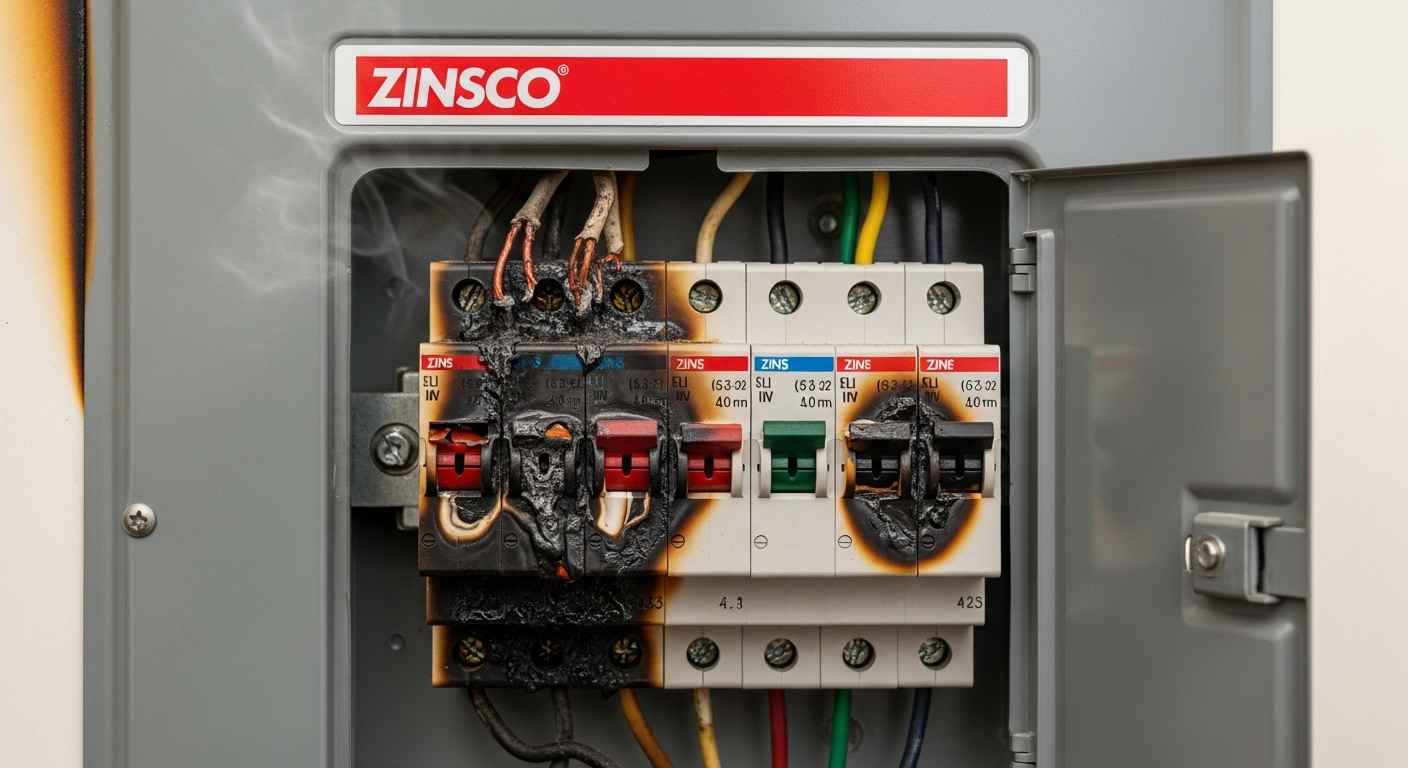
- You have a dangerous brand: If your panel says Zinsco or Federal Pacific Electric (FPE), it must be replaced. These panels have a documented history of failing to trip during overloads, directly causing house fires.
- Your panel is corroded: Common in coastal cities like Redondo Beach and Palos Verdes, salt air destroys the metal bus bars inside the panel, creating severe arcing and fire hazards.
Part 2: Whole House Rewiring (The Veins)
Whole-house rewiring has nothing to do with capacity; it is entirely about safety and grounding. This process involves physically removing or abandoning the old, degraded wires hidden inside your walls, attics, and crawlspaces, and replacing them with modern, plastic-sheathed, grounded copper wire (Romex).
When Do You Need Whole House Rewiring?
If your house was built before 1960, there is a high probability your internal wiring has reached the end of its lifespan. You need to rewire your home if:
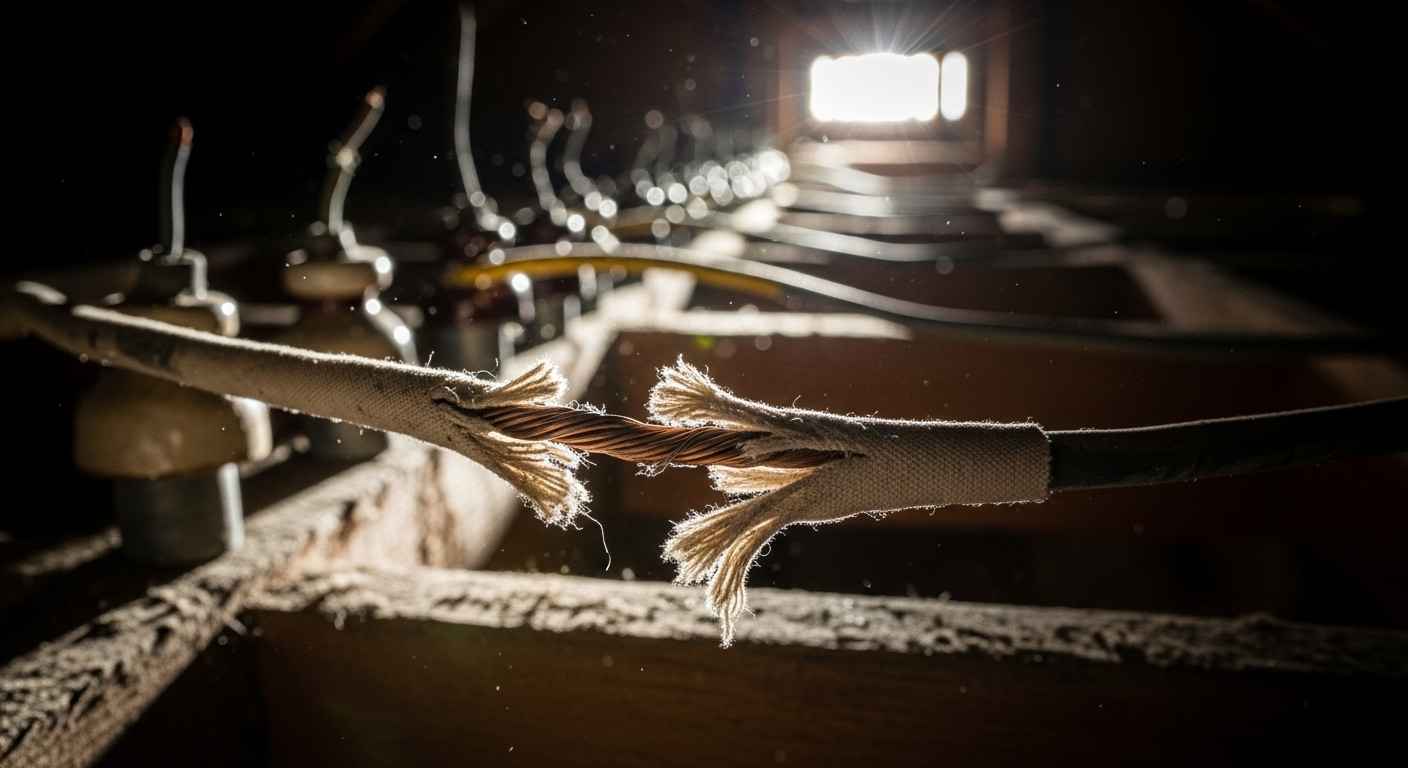
- You have Knob and Tube (K&T) or Cloth Wiring: Used in the 1920s to 1950s, this wiring has no ground wire, and the cloth insulation has likely crumbled into dust, leaving bare, live wires touching the wooden framing of your house.
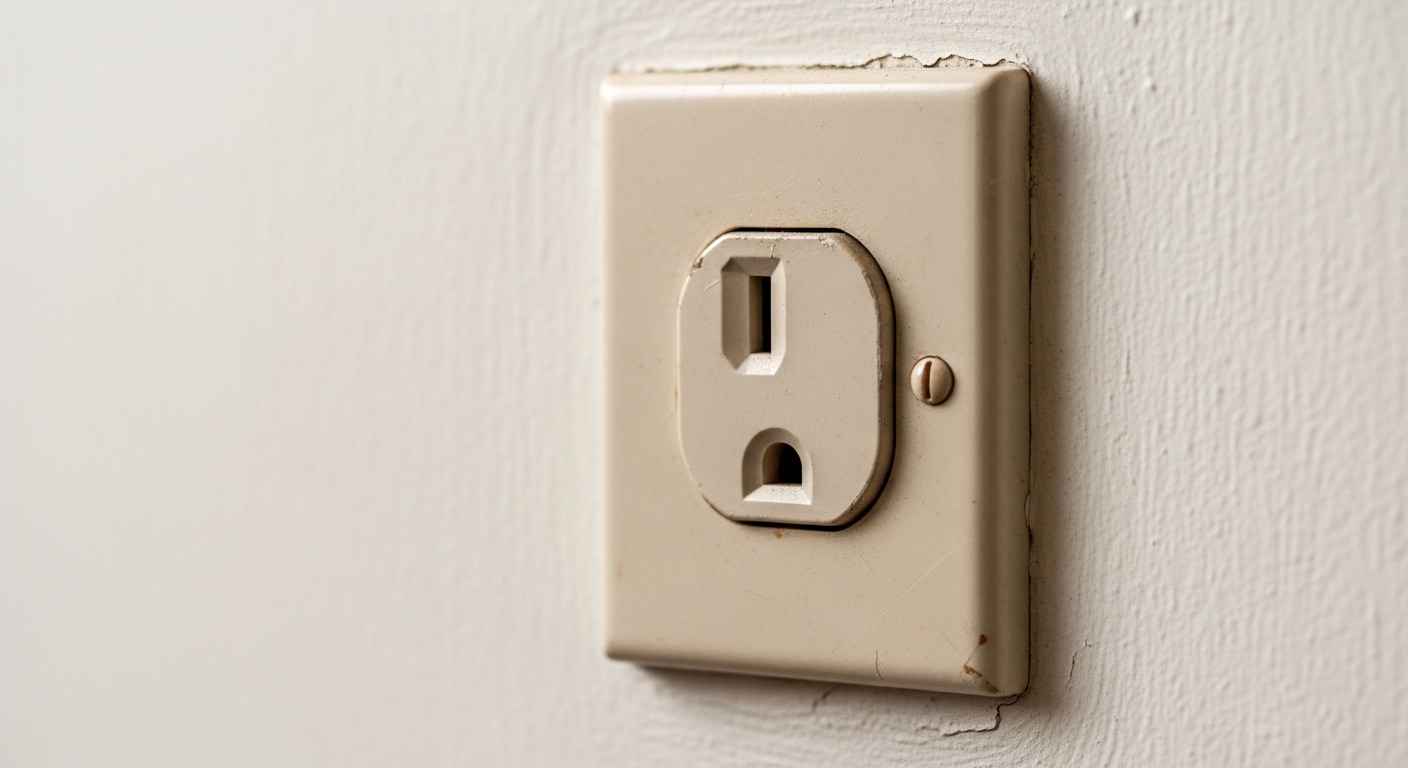
- You only have 2-Prong Outlets: A 2-prong outlet means there is no ground wire in the wall. You cannot safely plug in modern appliances (like a refrigerator or a computer). If a surge happens, the electricity will travel through you instead of the ground wire.
- Your Homeowners Insurance Dropped You: Insurance companies in California are aggressively dropping policies on homes that still contain ungrounded or Knob and Tube wiring due to the extreme fire risk.
Do I Ever Need Both?
Yes. If you buy a historic 1930s Spanish Revival in Whittier or a 1950s tract home in Torrance that has never been updated, you will likely need both.
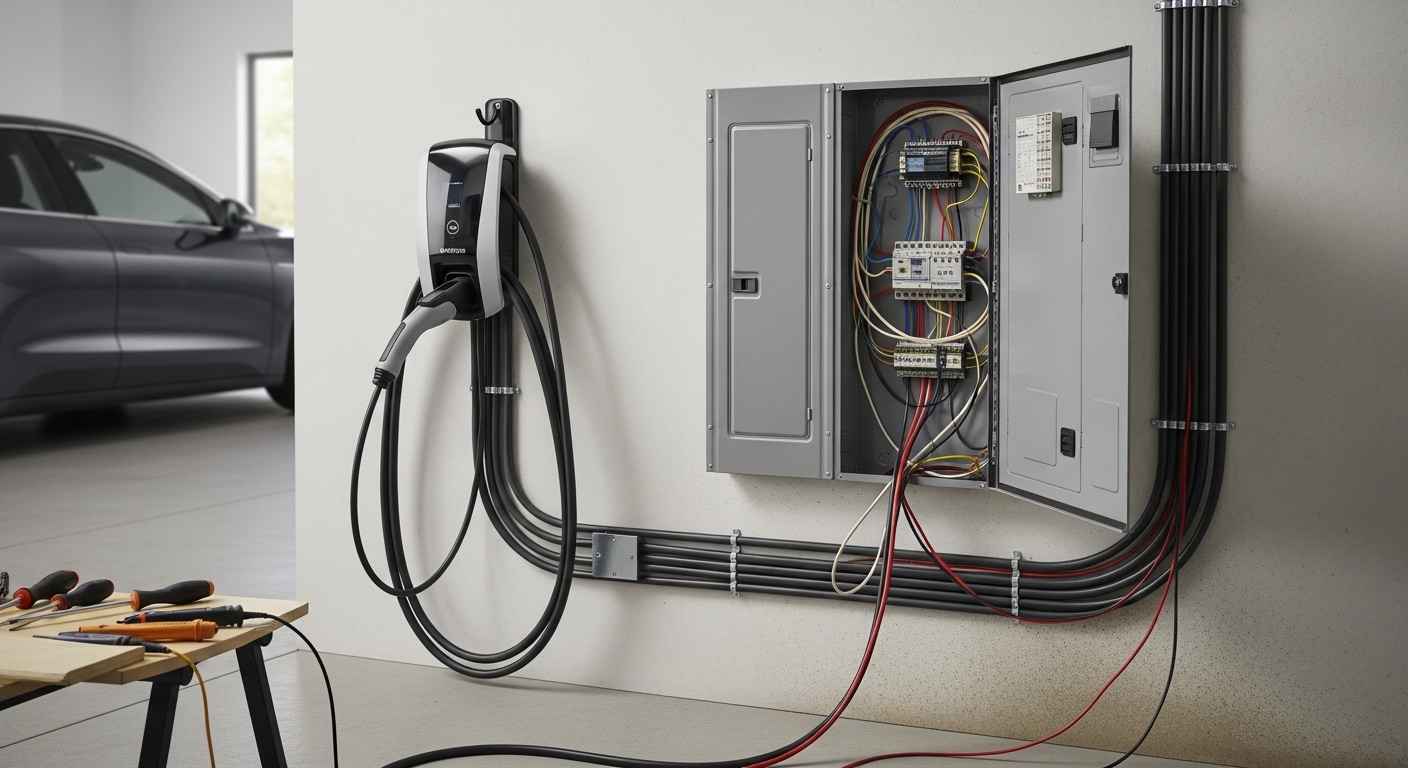
The old wires inside the walls must be replaced to prevent a fire (rewiring), and a new 200-Amp panel must be installed on the outside of the house so you can finally add modern Central AC and charge your Tesla (panel upgrade).
The "White-Glove" Execution Factor
The biggest fear homeowners have regarding a whole-house rewire is the destruction of their property. Many assume an electrician has to smash giant holes in every single wall to run new wire, destroying original lath and plaster, wallpaper, and hardwood floors.
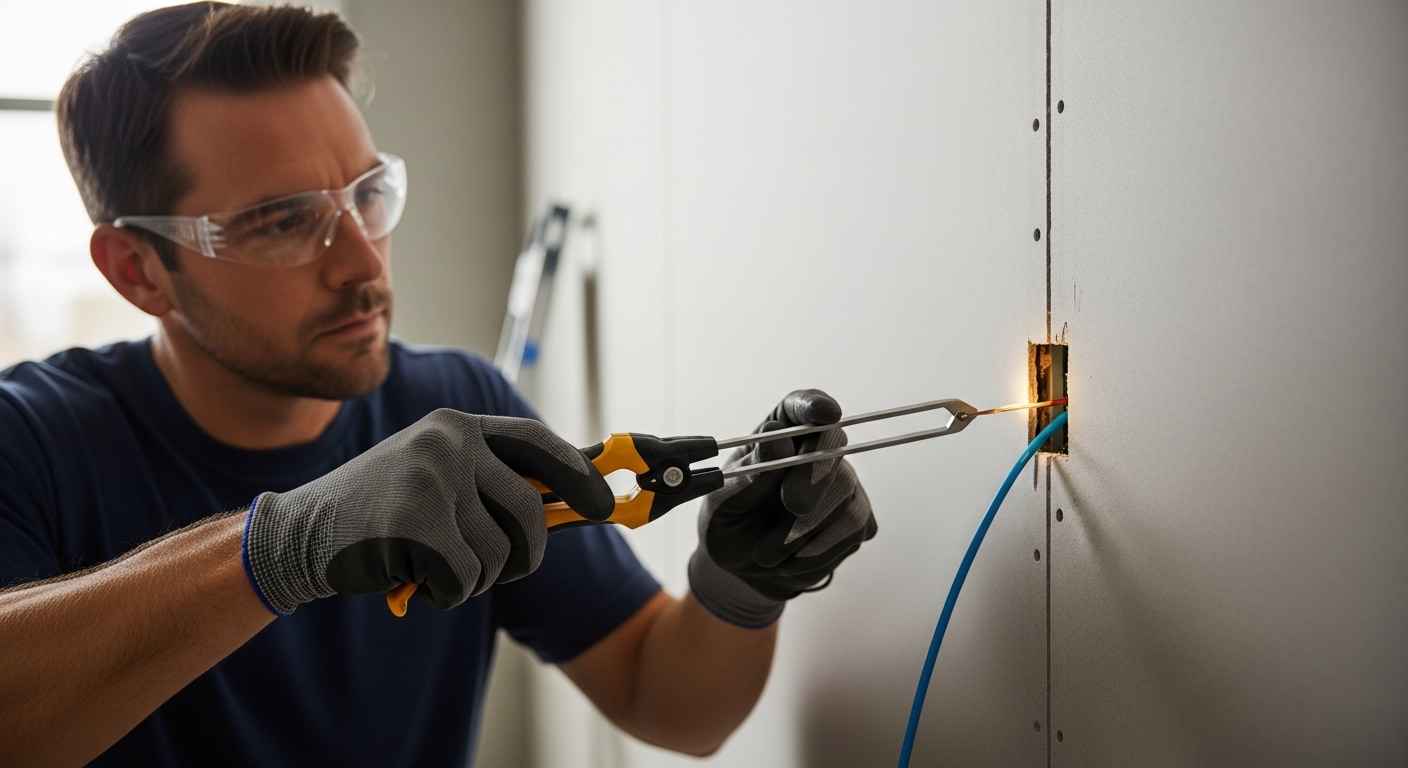
At CD Ampers Electrical, we specialize in "White-Glove" wire-fishing techniques. Our master electricians utilize specialized tools, micro-cameras, and flexible fiberglass rods to snake modern Romex wiring behind your walls, through attics, and under crawlspaces. We can frequently complete a full home rewire with zero to minimal drywall patching required.
Stop Guessing. Get an Expert Audit.
Every home is unique. You might need a massive 200A SCE panel upgrade, a surgical rewiring to ground your outlets, or simply a subpanel for your new ADU. Let our licensed C-10 experts inspect your property and give you the honest truth.