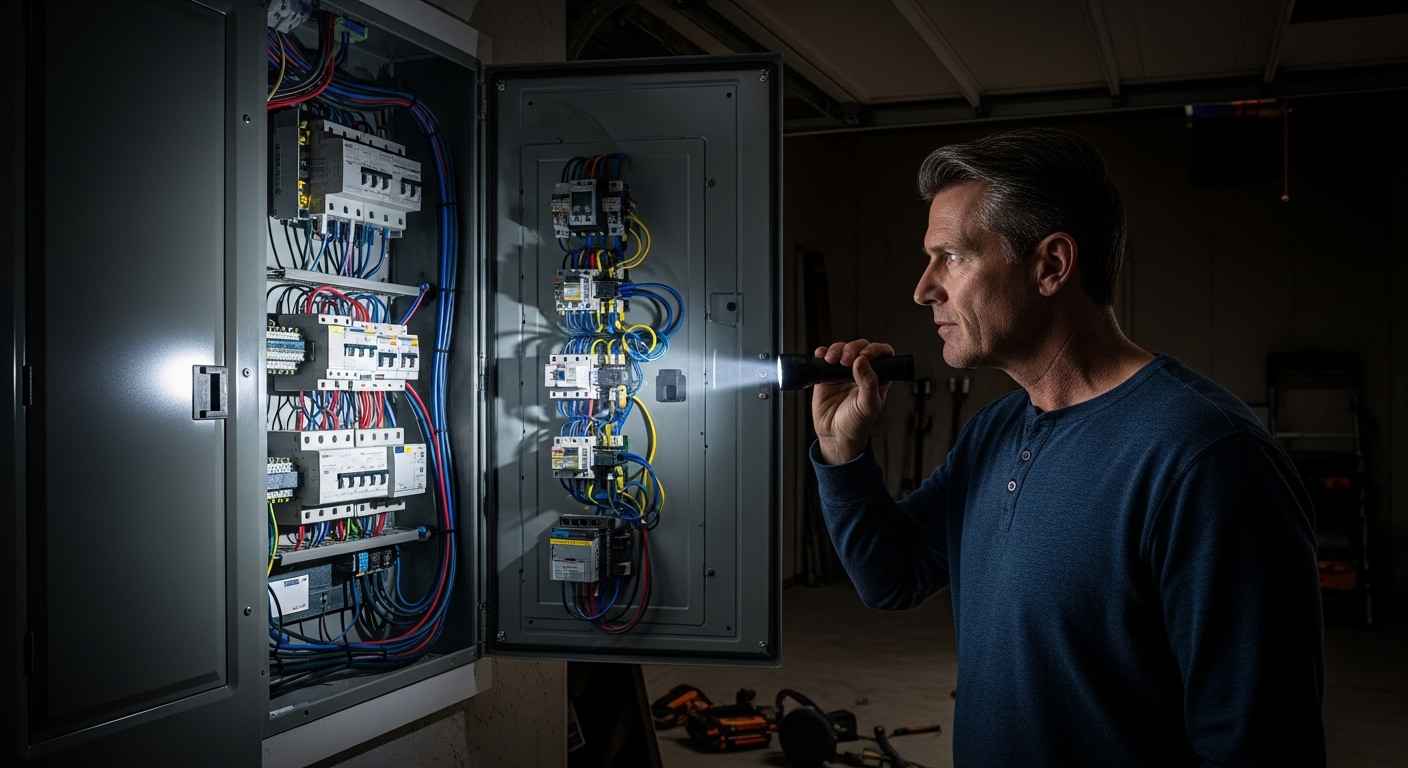
It happens at the most inconvenient times. You’re blow-drying your hair while the space heater is running, or you turn on the microwave while the air conditioner is blasting and suddenly, click. Half the house goes dark.
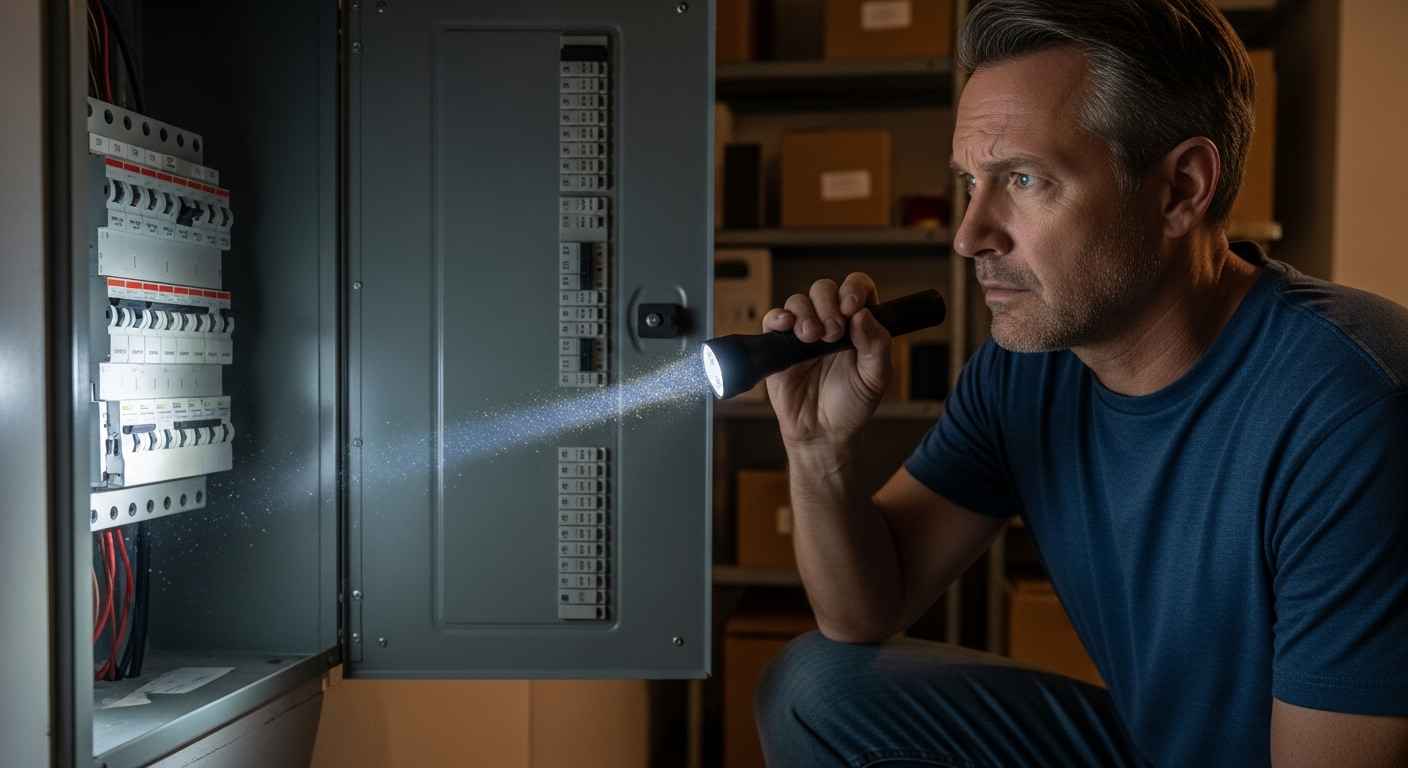
When a circuit breaker trips, it isn’t acting up to annoy you. It is doing exactly what it was designed to do: stopping an electrical fire. A tripped breaker is your home’s emergency defense mechanism, shutting off the flow of electricity when it senses a dangerous fault in the system.
However, if you find yourself constantly resetting the same breaker week after week, you are ignoring a serious problem. Here are the top five reasons your circuit breaker keeps tripping, and exactly what you need to do about it.
1. Circuit Overload (The Most Common Culprit)
An electrical circuit is like a water pipe. It can only handle a specific amount of flow. Most standard household circuits are rated for 15 or 20 Amps. If you plug in appliances that demand more power than the circuit can safely deliver, the wires will begin to overheat. Before they can melt and start a fire, the breaker "trips" and shuts the pipe off.
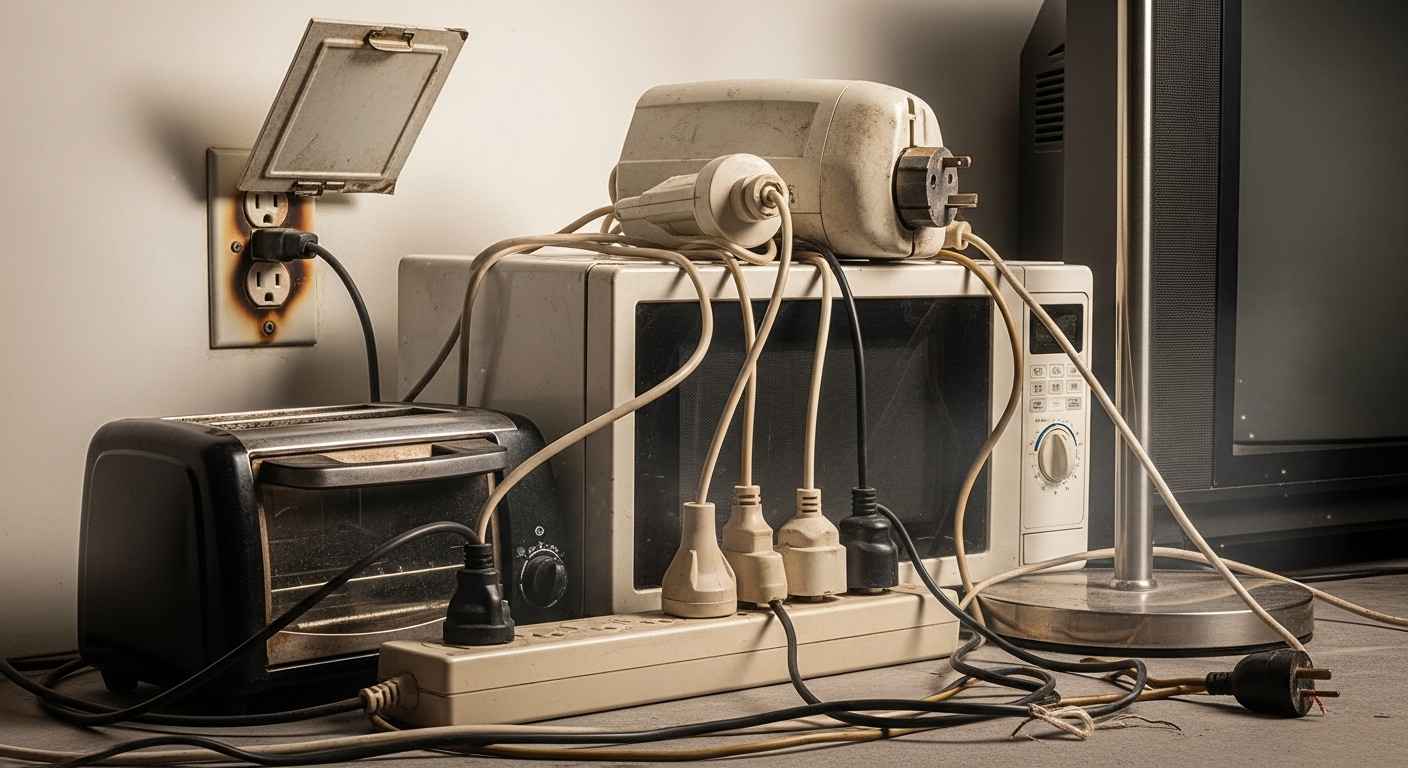
The Fix: The immediate fix is to redistribute your heavy-draw appliances. Move the space heater, hair dryer, or microwave to a different circuit. However, if your home’s baseline demand is just too high (common in older Los Angeles homes trying to run modern Central AC units), you will need a licensed electrician to install a new, dedicated circuit or perform a 200-Amp Panel Upgrade to increase your home's total capacity.
2. A Short Circuit (High Danger)
A short circuit happens when a "hot" (live) wire accidentally touches another hot wire or a neutral wire. This causes a massive, instantaneous surge of electricity, bypassing the normal electrical resistance of the appliance.
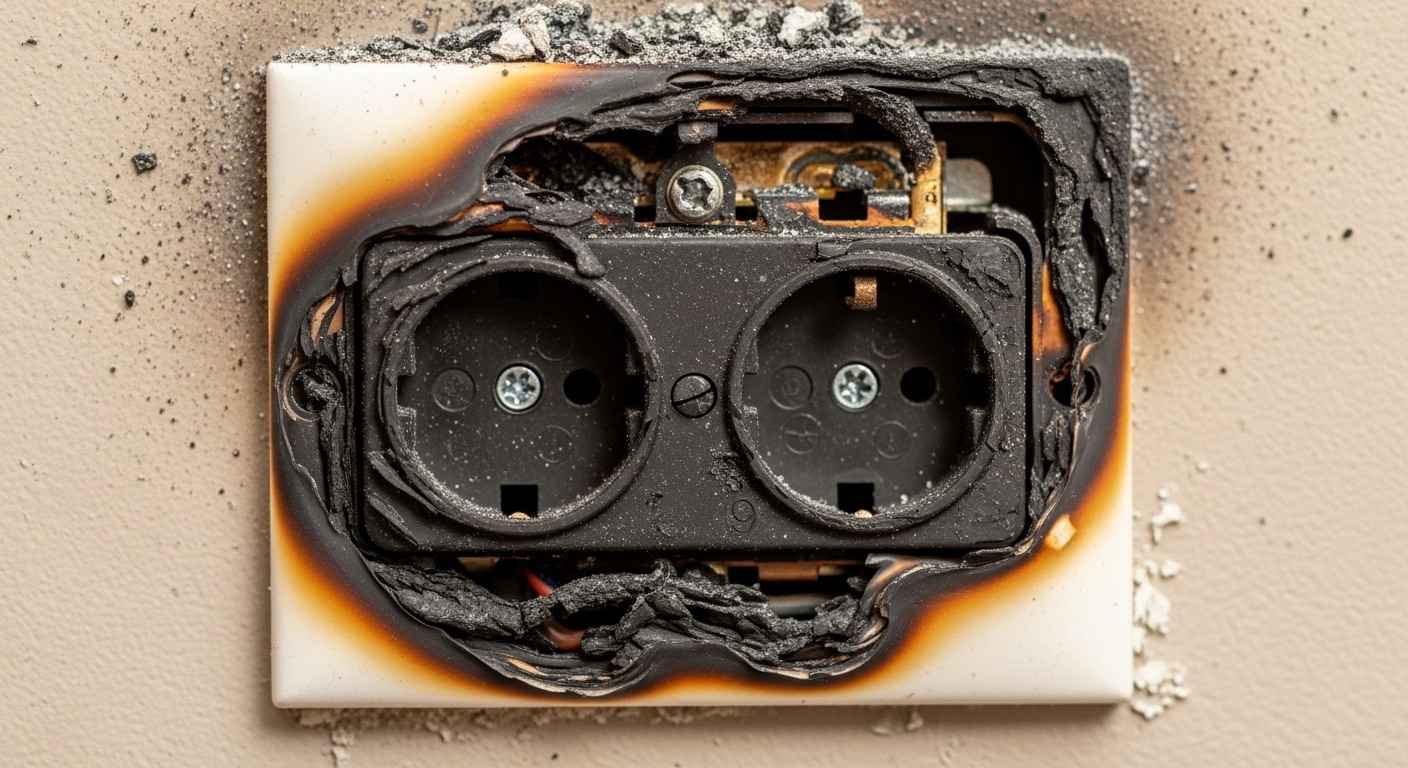
When a short circuit occurs, you will often hear a loud "pop," see sparks, or smell burning plastic. The breaker will trip instantly. Do NOT attempt to turn the breaker back on. This is a massive fire hazard. A professional electrician must trace the wiring inside the wall to find where the insulation has degraded or where a pest has chewed through the wire.
3. A Ground Fault (Water + Electricity)
A ground fault is a specific type of short circuit. It occurs when a hot wire touches a ground wire or the side of a metal outlet box. It is incredibly dangerous because the electricity can travel through anything nearby including you to get to the ground.
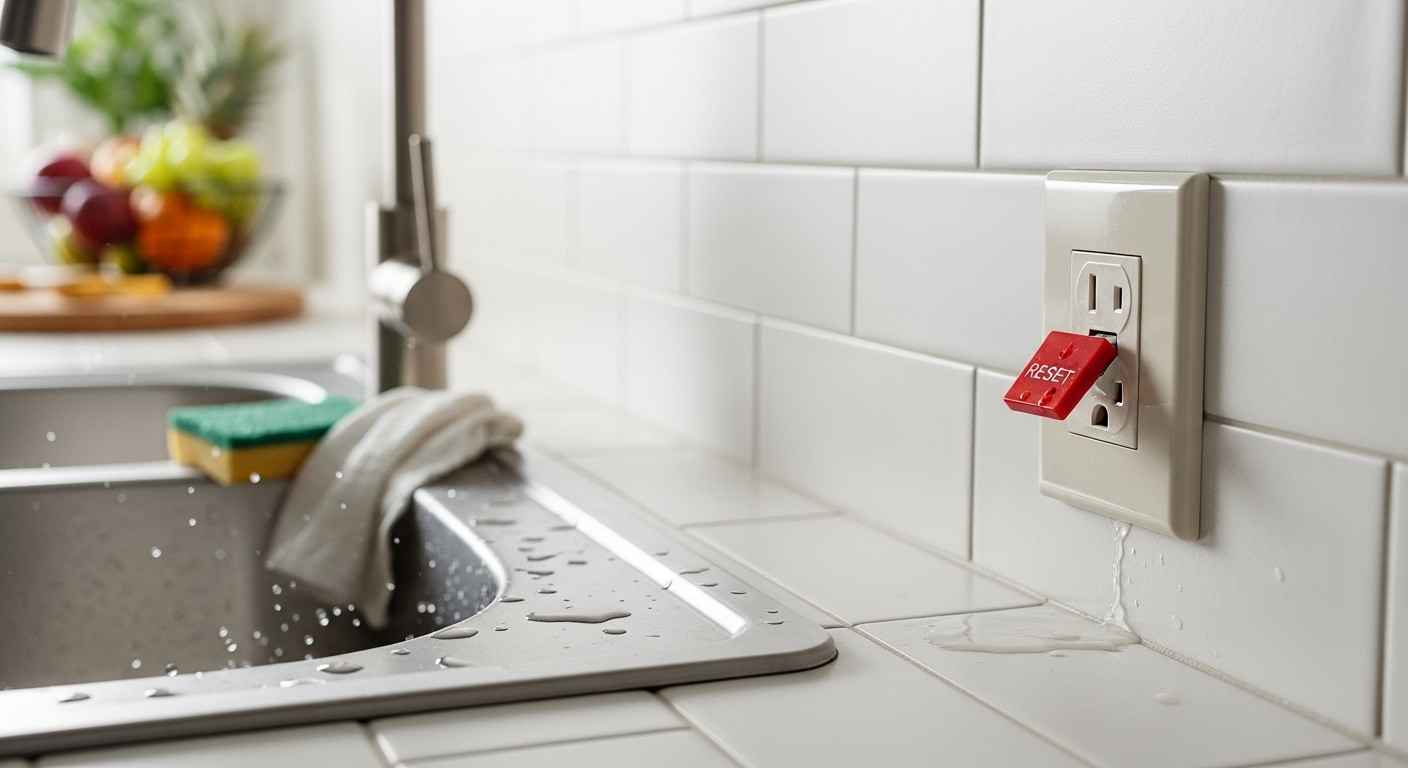
Ground faults are most common in areas where water is present, like kitchens, bathrooms, and outdoor patios. This is exactly why building codes require GFCI (Ground Fault Circuit Interrupter) outlets in these areas. If your breaker or GFCI outlet keeps tripping in the bathroom, moisture is likely getting into the electrical system.
4. Arc Faults (Loose Connections)
Modern electrical panels are equipped with AFCI (Arc Fault Circuit Interrupter) breakers. These advanced breakers are designed to detect "arcing" which is when electricity literally jumps across a microscopic gap in a loose connection or a frayed wire.
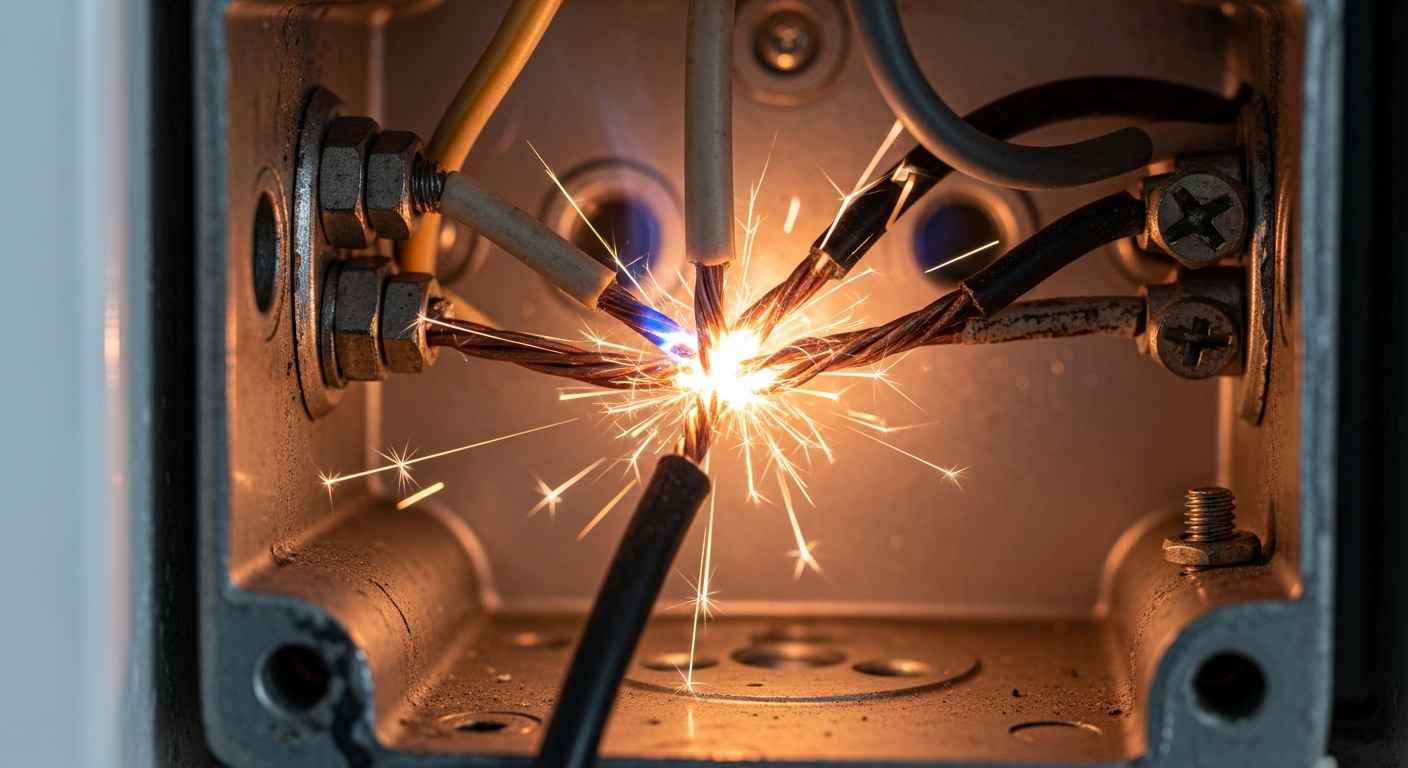
Arcing generates extreme heat (up to 10,000°F) and is the leading cause of electrical wall fires. If an AFCI breaker keeps tripping, it has detected a loose connection somewhere in that circuit. It requires a professional to safely open the junction boxes and re-torque the connections to code.
5. A Bad or Outdated Electrical Panel
Sometimes the problem isn't the circuit; it’s the breaker itself. Breakers are mechanical devices with internal springs. If they are constantly tripped and reset over many years, they eventually wear out and become hyper-sensitive, tripping even when there is no overload.
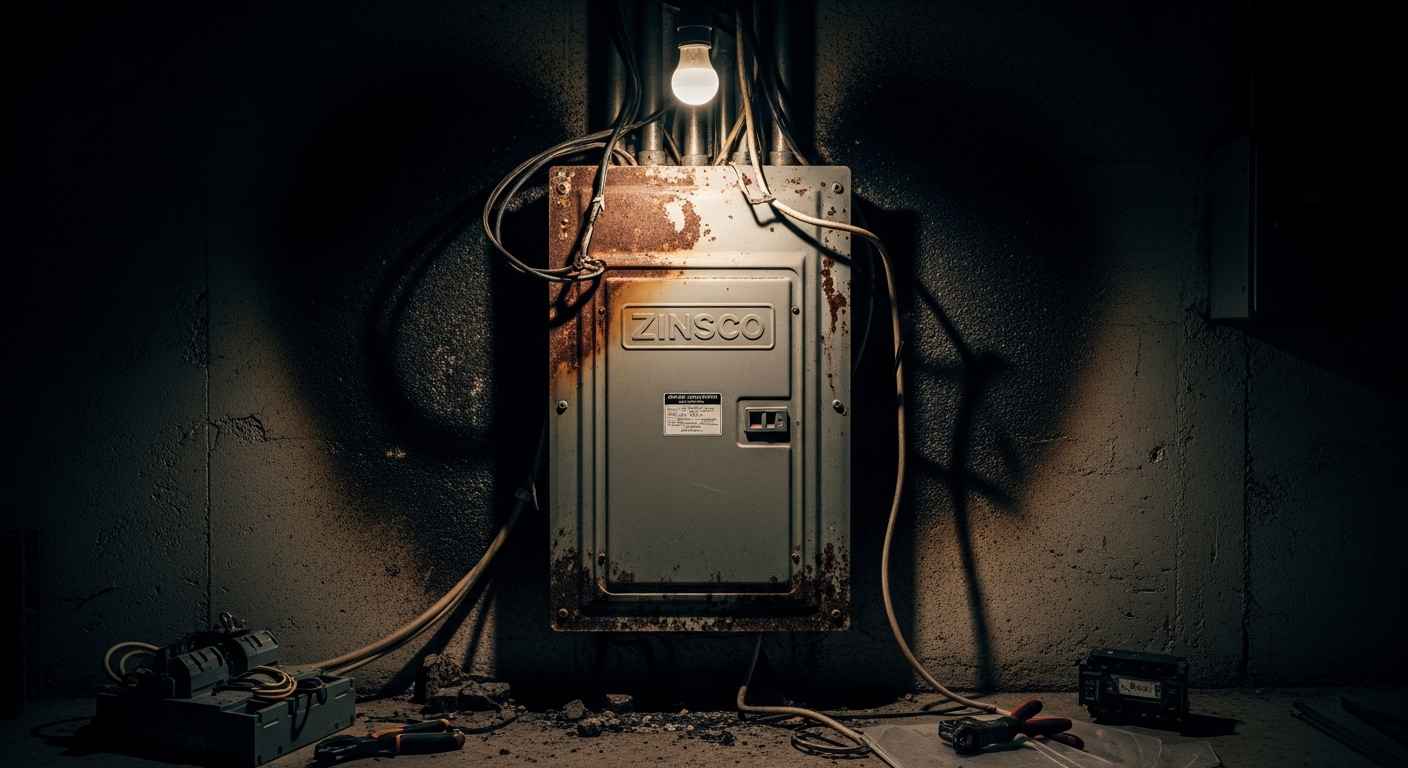
Furthermore, if your Los Angeles home was built between the 1950s and 1980s, you might have a Zinsco or Federal Pacific Electric (FPE) panel. These brands are notorious for defective breakers that actually fail to trip, melting to the bus bar instead. If you have one of these panels, it must be completely replaced immediately.
When to Stop Resetting and Call a Pro
Resetting a breaker once because you accidentally ran the vacuum and the microwave simultaneously is fine. However, you should call CD Ampers Electrical immediately if:
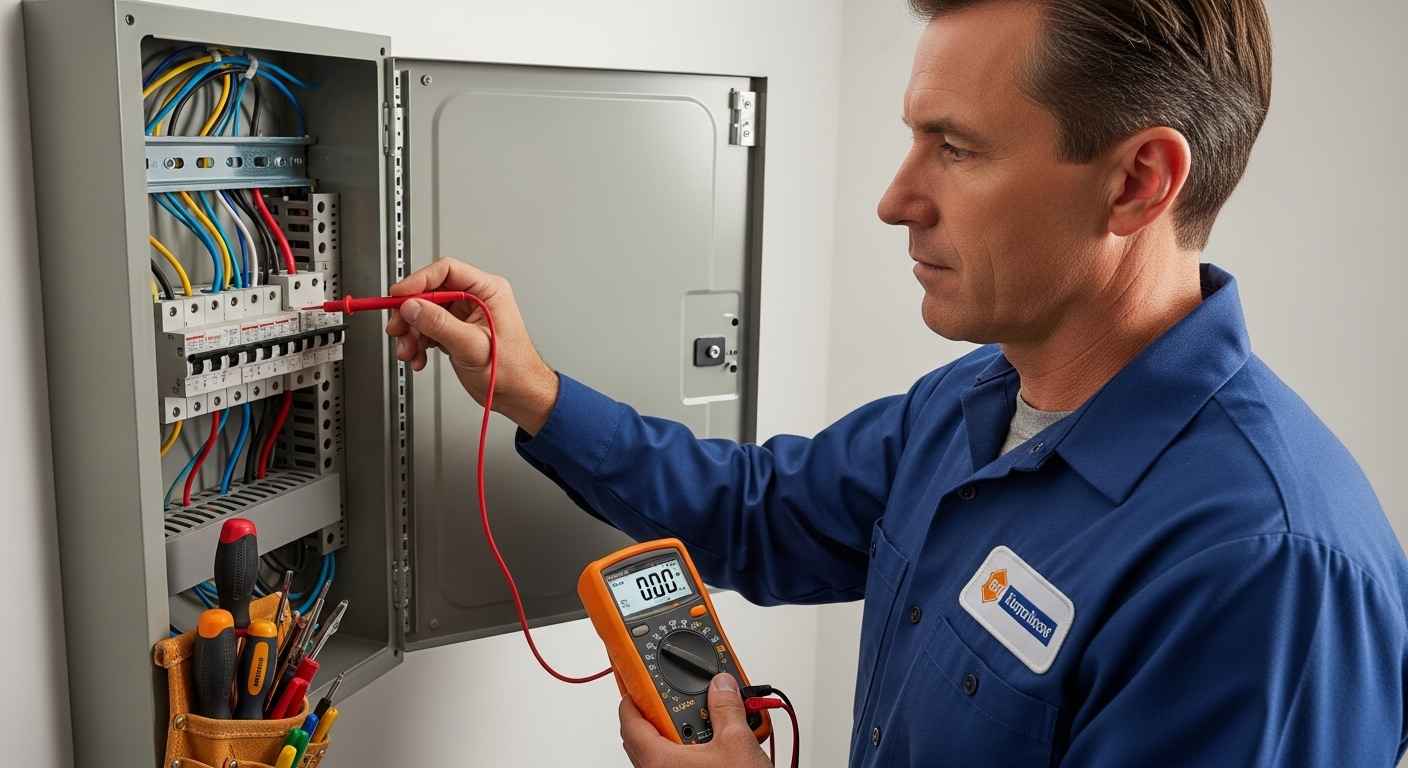
- The breaker trips immediately after you reset it.
- The panel or the breaker feels hot to the touch.
- You smell burning plastic or a fishy odor near the panel or an outlet.
- You see scorch marks or brown discoloration on the breaker switches.
Stop Playing with Fire
Don't ignore your home's warning system. Let our licensed C-10 experts diagnose the fault, perform official load calculations, and upgrade your panel so your family can live safely and comfortably.